
Roborock Seizes Global Top Spot in Robot Vacuums as Profits Plunge
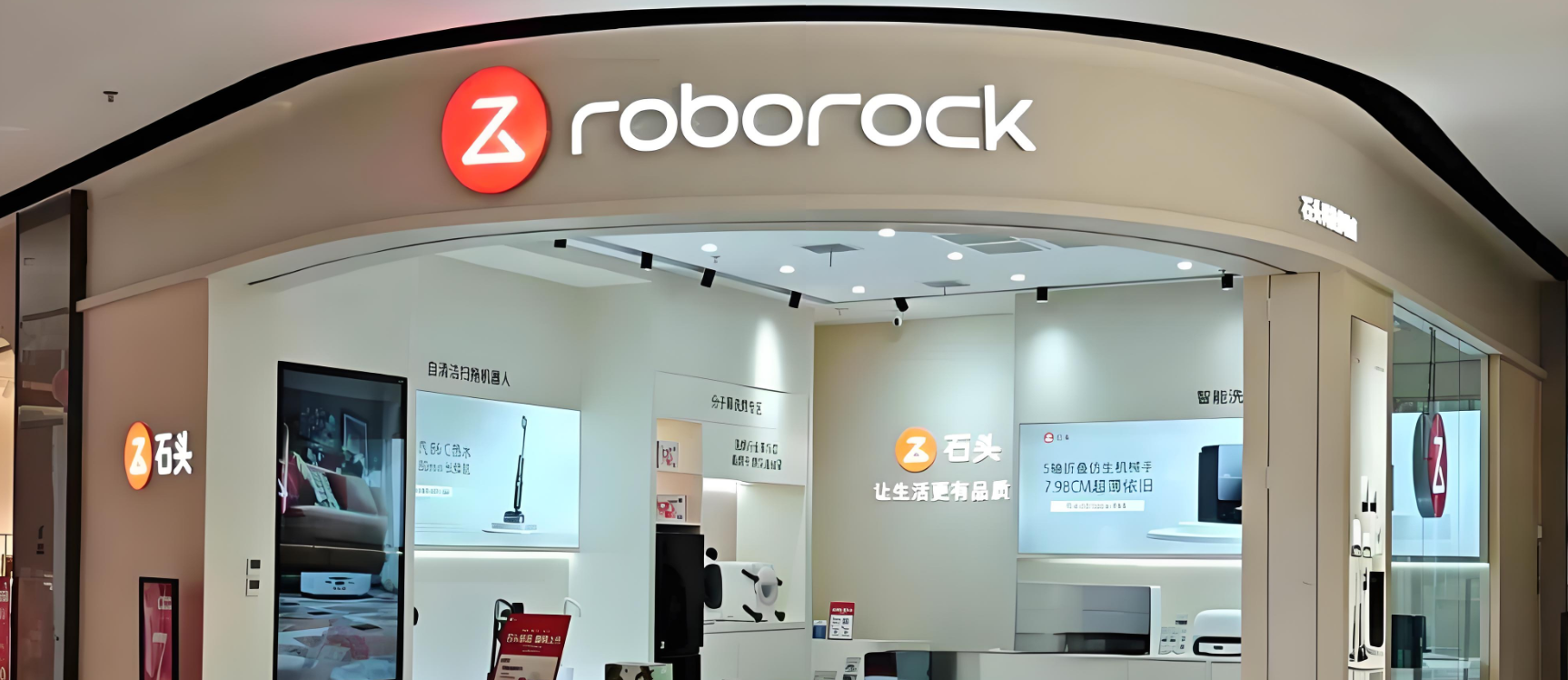
Roborock Technology has become the world’s largest robotic vacuum cleaner manufacturer by shipments, a significant milestone that is being overshadowed by a sharp and accelerating decline in profitability. The company’s aggressive spending on marketing and research to gain market share is raising investor concerns about the sustainability of its growth strategy.
In the first half of 2025, the Beijing-based company shipped 2.33 million units, a year-on-year increase of 67.9%, according to the latest data from IDC. The sales surge propelled Roborock to the global top spot with a 15.2% market share and drove revenue up by 79% to RMB 7.903 billion yuan (US$1.09 billion).
However, this top-line success masks a starkly different financial picture. Net profit attributable to shareholders plummeted 39.6% to RMB 678 million yuan. The company’s operating cash flow turned negative for the first time since its 2020 listing, hitting a record low of -RMB 823 million yuan.
The profit slump marks the fourth consecutive quarter of decline, with the contraction worsening from 45.25% in the third quarter of 2024 to 43.21% in the second quarter of 2025. Adding to investor worries, key rival Ecovacs Robotics has now surpassed Roborock in profitability, posting a net profit of RMB 979 million yuan in the first half of 2025.
The High Cost of Market Dominance
At the heart of Roborock’s profit erosion is a dramatic escalation in spending. Sales and marketing expenses more than doubled, soaring 144.5% year-on-year to RMB 2.165 billion yuan in the first half, now accounting for over 27% of a firm's revenue. Within that, advertising and promotion costs alone hit RMB 1.506 billion yuan, meaning the company spent 19 yuan on marketing for every 100 yuan of revenue.
Research and development spending also grew substantially, rising 67.3% to RMB 685 million yuan as the R&D team expanded by 73.5%. The twin pressures of aggressive marketing and high R&D investment squeezed gross margins, which fell from 53.8% to 44.6% over the past year.
This spending blitz has yielded market share gains, lifting Roborock’s domestic share from 17% to 22% and securing over 50% of the market in several Nordic countries, Germany, and South Korea. However, the strategy has produced serious side effects, including a 172% surge in inventory to RMB 3.13 billion yuan, forcing the company to book an inventory impairment of RMB 188 million yuan.
A Costly Transition After Xiaomi
Roborock's current challenges are also linked to its strategic pivot away from the ecosystem of its early backer, Xiaomi Corp.. After relying on Xiaomi’s brand and distribution channels in its early days, Roborock has successfully established its own brand, which now accounts for over 98% of its revenue.
This independence comes at a high price, as Roborock now bears the full cost of marketing and building its own sales channels, particularly as it shifts from relying on distributors to a direct-to-consumer model in overseas markets. The pressure of this transition is reflected in the actions of its early investors. Xiaomi-affiliated funds like Shunwei Capital and Tianjin Jinmi Investment Partnership, which together held over 18% at the time of the IPO, have since largely divested their stakes, cashing out a combined total of over RMB 4 billion yuan over five years. Roborock founder Chang Jing’s sale of RMB 888 million yuan worth of shares over the past two years has also drawn scrutiny from investors.
Path Forward in a Crowded Market
Despite the financial headwinds, the global robotic vacuum market holds significant growth potential, with household penetration still below 5% in China and under 10% in developed markets like the U.S. IDC projects the market will grow at a compound annual rate of 26% through 2028.
However, competition is intensifying as the technology becomes more accessible. Cross-border giants like DJI have entered the fray, while newcomers like Narwal Intelligent Technology have quickly captured an 8.5% global market share to rank among the top five. This crowded field suggests price wars may be inevitable.
Roborock maintains a technological edge with its proprietary PreciSense LiDAR navigation and ReactiveAI obstacle avoidance systems. To fund its global expansion, the company is preparing for a secondary listing in Hong Kong, aiming for an "A+H" dual-listing status. The fundamental question for investors, however, remains whether Roborock can translate its hard-won market leadership into sustainable profitability. Proving it can win on the bottom line, not just in market share, will determine the future of the world’s new robot vacuum king.