
Smartphone Giants Encroach on Gaming Niche as Hardware Gaps Narrow
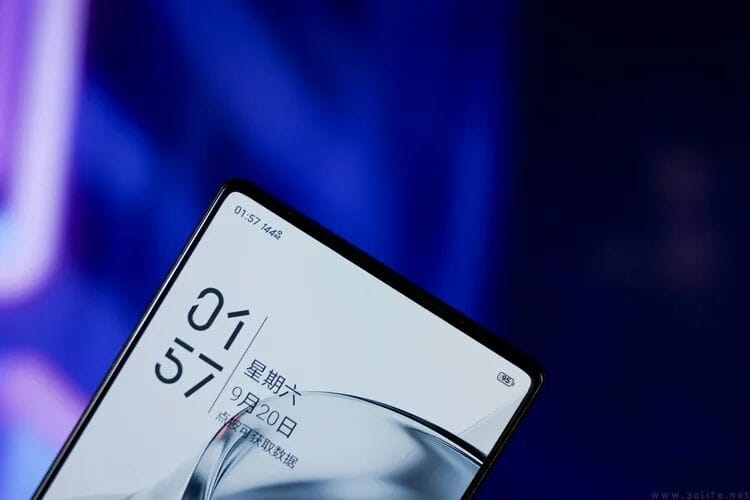
Mainstream smartphone manufacturers are increasingly penetrating the specialized gaming handset market, leveraging superior supply chain dominance to challenge niche incumbents. This strategic pivot threatens the long-term viability of dedicated gaming phone makers by neutralizing their traditional hardware advantages through scale and technological convergence.
Honor recently disclosed specifications for its upcoming WIN series, signaling a direct incursion into the high-performance gaming segment. The lineup, including the WIN and WIN RT models, features active cooling systems and top-tier specifications, marking a shift from casual experimentation to aggressive competition in the enthusiast sector.
This development places significant pressure on specialized gaming brands, as major players combine flagship-level performance with potentially disruptive pricing. Unlike previous market entries that relied on mid-range components, the new wave of mainstream devices targets the core performance demographics that historically insulated niche manufacturers.
While specialized handsets retain distinct design characteristics, the gap between general-purpose flagships and dedicated gaming devices is closing. As industry giants adopt advanced cooling solutions and display technologies, the unique value proposition of the standalone gaming phone category faces an existential test.
Aggressive Hardware Expansion
The specifications revealed for the Honor WIN series demonstrate a commitment to high-end gaming performance previously reserved for niche devices. The handsets will utilize the fifth-generation Snapdragon 8 Elite mobile platform, supported by a massive 10,000 mAh battery and 100W wired fast charging. Crucially, the inclusion of built-in active cooling fans signifies a departure from standard thermal designs.
This move follows earlier experiments in the sector, such as the K13 Turbo Pro released in the summer of 2025 by OPPO. While the OPPO device introduced internal fans to a broader audience, it relied on mid-range hardware that limited its appeal to hardcore enthusiasts.
In contrast, Honor’s strategy pairs active cooling with flagship silicon. Given the company’s current pricing structures, the WIN series is expected to undercut existing hardcore gaming phones, challenging the assumption that only specialized brands can deliver peak sustained performance.
Diminishing Differentiators
Historically, dedicated gaming phones justified premium pricing through unique features such as distinct visual designs, shoulder buttons, and "true full screens" free of camera cutouts. They also employed bulky "pass-through" air cooling ducts, which occupy significant internal volume but offer superior thermal management compared to standard methods.
However, these advantages are eroding. While mainstream manufacturers have been cautious with under-display camera technologies due to selfie quality concerns, industry trends suggest imminent adoption. If technical hurdles are cleared—potentially spurred by future moves from Apple—mainstream flagships could match the immersive display experience of gaming handsets.
Thermal management is also evolving. At a recent technology summit hosted by AAC, new piezoelectric ceramic air pump solutions were showcased. These "bladeless" active cooling systems, projected for mass production as early as 2026, allow for thinner, more compact designs. Such innovations are likely to be adopted by mainstream brands, neutralizing the cooling advantage of bulky gaming phones.
The Economics of Scale
The most significant threat to niche players lies in supply chain economics. Dedicated gaming phone manufacturers operate with lower shipping volumes, forcing them to pay premiums for "specially binned" overclocked chips and custom components. High retail prices are necessary to cover these costs.
Mainstream manufacturers, backing massive product lines, benefit from substantial economies of scale. They can procure high-performance components, including RGB lighting and customized chips, at lower unit costs. Consequently, top-tier brands can deliver devices with comparable or superior gaming performance at lower price points, rendering the high margins of niche gaming phones increasingly unsustainable.