
SMIC Beats Third-Quarter Guidance, Then Guides Margins Lower
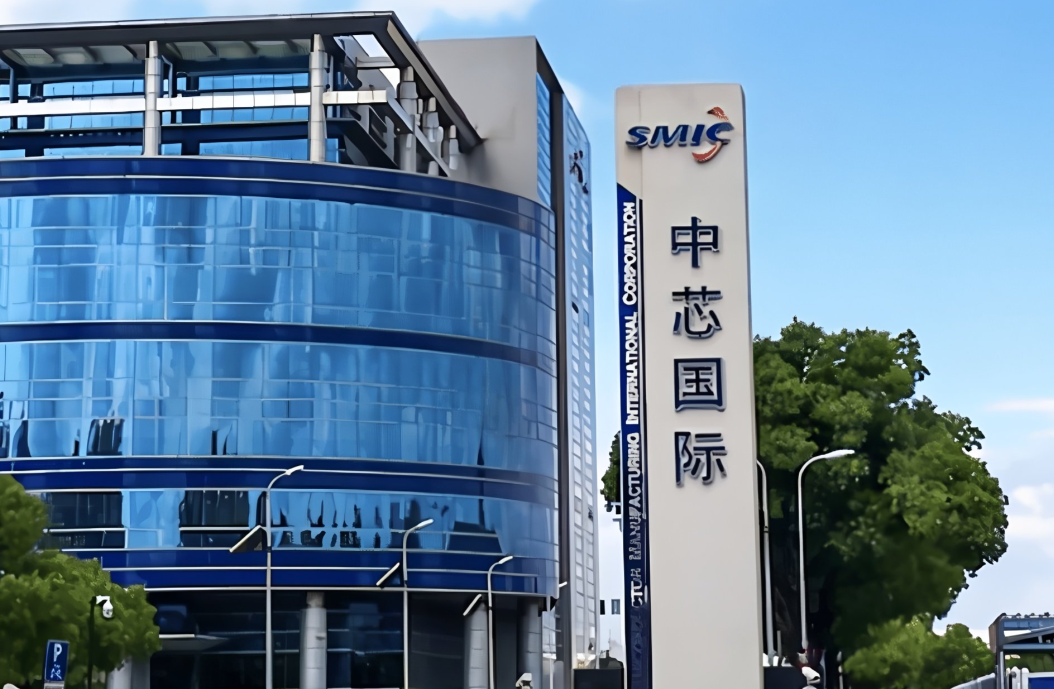
Semiconductor Manufacturing International Corp. beat the third-quarter targets it had set for itself, then told investors not to treat the stronger margin as the new baseline.
In unaudited results filed with the Hong Kong exchange on Thursday, SMIC said revenue was $3.19 billion, up 6.1% from the second quarter and 33.9% from a year earlier. Gross margin rose to 29.9% from 25.3%. In its August results, the foundry had guided third-quarter revenue to increase 2% to 4% sequentially, and gross margin to a range of 26% to 28%.
The plants were busier. Wafer shipments rose 5.7% from the second quarter, to 3.03 million eight-inch equivalent wafers, and the utilization rate increased to 97.3% from 93.7%. SMIC said the higher utilization, together with a change in product mix, accounted for the margin gain. Cost of sales was slightly lower than in the second quarter, even as revenue increased.
Gross profit rose 25.3% sequentially, to $953.2 million. Profit from operations rose 32.9%, to $710.1 million, and more than doubled from a year earlier.
That operating figure is not a pure foundry print. Research and development spending increased to $258.4 million from $208.5 million, while other operating income — a credit in the expense line — rose to $155.0 million from $112.6 million. SMIC said the credit increased because of government funding recognized in the quarter.
What happened below the operating line is different. Profit attributable to owners fell 10.6% from the second quarter, to $428.4 million, even as it rose 123.4% from a year earlier.
The gap is in other income. That line swung to a $32.1 million net loss from a $275.9 million gain in the second quarter. SMIC said the swing was mainly a smaller gain on investments in associates. Some of those associates are investment funds; the earlier gain, the company said, came largely from fair-value changes in their portfolios.
A separate item, other gains, also shrank, to $5.8 million from $64.0 million, because of fair-value changes in equity securities. Neither move is a statement about wafer demand.
The more useful number for the next three months is the one SMIC attached to the fourth quarter. Revenue is expected to increase 4% to 6% sequentially. Gross margin is expected to be 26% to 28% — the same band the company had guided for the third quarter, and below the 29.9% it just reported.
The written release does not say why the margin should step down. Management is scheduled to take questions on a conference call on Friday, November 13.
The mix inside the quarter already shows where the wafers are going. Consumer electronics remained the largest slice of wafer revenue, at 40.6%, but that was down from 44.2% in the second quarter. Smartphones fell further, to 14.3% from 16.9% in the second quarter and 21.5% a year earlier.
Computer and tablet revenue rose to 18.3% from 15.6%, and industrial and automotive rose to 19.3% from 16.5%, and from 11.9% a year earlier.
The customer map is more concentrated, not less. China accounted for 90.8% of revenue, compared with 90.2% in the second quarter and 86.2% a year earlier. America was 7.8%, and Eurasia 1.4%.
Capacity is still being added, but not by enough to create much slack. Monthly capacity rose to 1,116,750 standard logic eight-inch equivalent wafers from 1,096,500 in the second quarter. Capital expenditure was $1.09 billion, down from $1.84 billion.
The cash-flow statement is tighter than the gross margin. Net cash from operations fell to $1.18 billion from $2.52 billion in the second quarter. Trade and other receivables increased to $2.29 billion from $1.51 billion, and inventories rose to $4.83 billion from $4.36 billion.
Net debt increased to $1.50 billion from $162.3 million at the end of June, as total debt rose and cash on hand declined. SMIC did not explain the working-capital move in the written release.
The foundry result, on the figures already published, is straightforward. SMIC is running near full, shipping more wafers, and earning more at the gross-profit line than it had told investors to expect. The third-quarter decline in net profit is an investment and fair-value story, not a volume story.
The question the new guidance poses — and that Friday's call will have to answer — is whether 29.9% was a high point in this upswing, or a quarter the company does not expect to repeat.
Related Coverage:
SMIC Profit Jumps 94% as Record Margins Meet Relentless Capex
SMIC Smashes Q2 Estimates as AI Demand Spillover Drives Mature-Node Pricing Power Into New Cycle