
The 'Labubu' Craze Is Over: Goldman Warns Hype Is Fading For China's Toy Giants
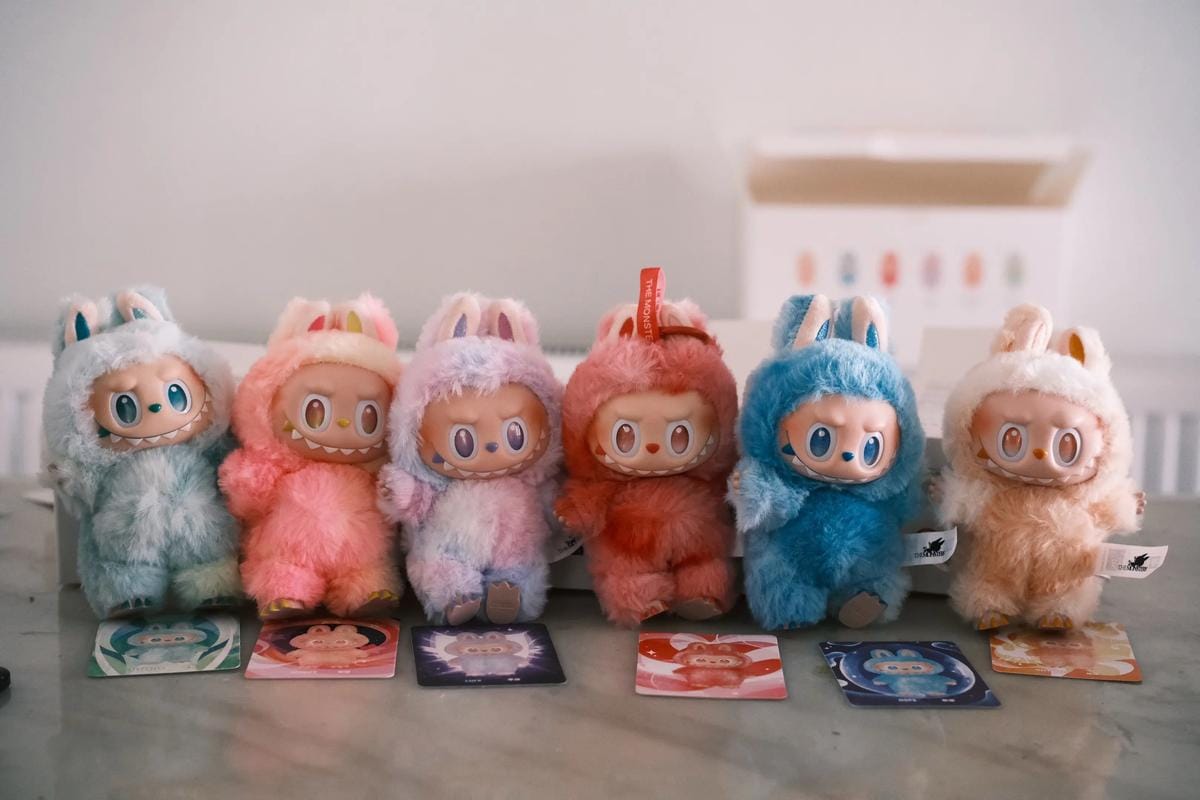
A fresh research note from Goldman Sachs, released October 11, 2025, is sending a cautionary signal to investors who have been riding the speculative wave of China's intellectual property (IP) and toy retail market. While Wall Street has been enamored with the explosive growth of companies like Pop Mart, Goldman’s "China IP Retailer and Toy Tracker" provides a stark, data-driven look beneath the surface, revealing that the hype driving valuations may be rapidly deflating. For a sector built on scarcity and secondary-market frenzy, these high-frequency data points are the canaries in the coal mine.
The report's timing is critical, as it questions the sustainability of momentum heading into the crucial Q4 peak season. The key takeaway: the poster child of the art toy boom, Pop Mart, is showing significant signs of cooling.
Pop Mart's "Labubu" Hype Cools After Meteoric Rise
Pop Mart's stock has already seen a correction, and Goldman pinpoints exactly why the market is getting nervous. The feverish demand for its flagship IPs, particularly the once-unstoppable Labubu series, is waning. High-frequency data, from secondary market prices to online search volumes, tells a story of increasing supply and moderating interest.
As Goldman bluntly states:
Pop Mart‘s share price saw correction in the past month, following a moderation of high frequency data (secondary market price in both China and US declined and multiple Labubu plush toy series at discount with more product release; search index also moderated) and concerns on US sales slowdown.
The bank’s detailed tracking provides damning evidence of this trend. The days of massive premiums for Labubu toys on resale markets are ending, a clear sign that the speculative bubble is losing air. More supply is meeting less frantic demand, leading to price erosion.
Labubu: Secondary market price continued to see correction with more volume released. The Macaron/Have a Seat series were at 20%~40% (from +LSD%-30% a month ago) premium respectively; while the Big into Energy series has turned to low-mid teens% discount for majority of the SKUs. For mini Labubu, 2/3 of the SKUs is currently at discount in secondary market.
This cooling isn't just a domestic Chinese phenomenon. The much-touted overseas expansion is also hitting a wall. Google search interest is down, and even app usage is moderating in key growth markets, suggesting the viral magic is proving difficult to sustain globally.
Competitors Flood The Market With Cheaper Alternatives
As the leader stumbles, competitors are not standing still. The report highlights aggressive product-line expansions from rivals Bloks and Miniso, who appear eager to capture market share with new IPs and lower price points.
Bloks, in particular, is accelerating its assault on the market, moving beyond its core offerings into potentially lucrative new categories like assembly vehicles, backed by globally recognized IPs such as Star Wars and DC.
Goldman notes the strategic logic but remains cautious on execution:
The new categories could help Bloks unlock incremental growth opportunities if successful (assembly vehicle is a Rmb 4 billion yuan [US$548 million] market in China per F&S…), and we believe this will subject to the product competitiveness (price/quality) vs. existing brands and execution.
Meanwhile, Miniso management is projecting confidence, buoyed by accelerating sales growth during the recent National Day Holiday. The company is leaning heavily into its IP strategy, launching "IP Land" stores to build brand awareness and even showcasing its characters at Paris Fashion Week. Unlike Pop Mart's premium-priced collectibles, Miniso’s model is built on high-volume, low-cost IP-branded lifestyle goods.
For investors, the landscape is shifting dramatically. The initial phase of explosive, scarcity-driven growth for high-end art toys appears to be over. Now, the battleground is moving toward product diversification, international execution, and a far more competitive pricing environment. While Goldman believes Pop Mart’s near-term earnings will be supported by its supply chain monetization, the bank rightly points out that "IP momentum is the key to watch which is the underlying driver for 2026E growth."
The upcoming fourth quarter will be the ultimate test. The question is whether new product launches and holiday sales can reignite the spark, or if the "Labubu" slowdown signals a broader, more permanent normalization for a sector that once seemed to defy gravity.