
The Unmaking of a Hero: How DJI’s Drones Grounded GoPro's Ambitions
Once an essential partner that gave GoPro's cameras wings, the Chinese drone giant built an empire by methodically dismantling the very market it helped create for the American action-camera pioneer. This is the story of a fateful alliance, a fatal miscalculation, and the strategic battle that redefined the future of digital imaging.
The Deal That Never Was
The air in the negotiating room in mid-2015 was thick with ambition. On one side sat Nick Woodman, the charismatic surfer-turned-billionaire founder of GoPro Inc. His company was the undisputed king of action cameras, a cultural phenomenon whose very name had become a verb for capturing life’s most thrilling moments. His stock was flying high, having peaked at over 86 a share,giving his company a valuation north of 11 billion.
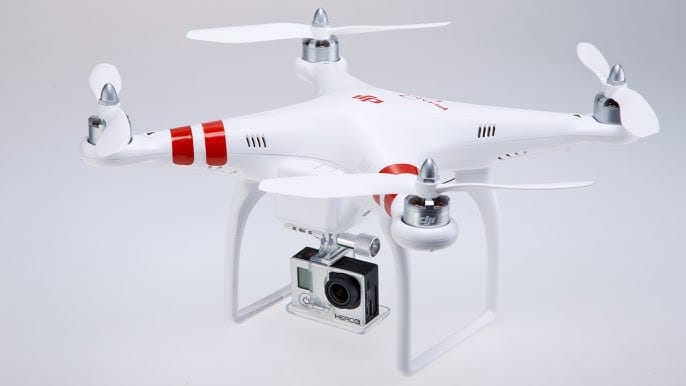
Across the table was a representative from a quieter, more enigmatic powerhouse: DJI, the Shenzhen-based drone manufacturer. The two companies were, at that point, engaged in a deeply symbiotic, if unofficial, relationship. DJI’s Phantom drones had become the go-to aerial platform for GoPro’s Hero cameras, creating a new category of consumer aerial photography. This "golden combination" was flooding YouTube with breathtaking bird's-eye views of ski slopes and surf breaks, and in doing so, was supercharging sales for both companies.
DJI had a proposal: to make the partnership official. They would build a drone together, co-branded, and share the profits. But according to sources familiar with the talks, Woodman, confident in GoPro's brand dominance, pushed for a lion's share of the revenue—a two-thirds split. DJI, feeling its technology was the indispensable part of the equation, held firm at 50-50.
The deal collapsed.
It was a pivotal moment, though few recognized it at the time. For Woodman, it was a defense of his brand’s perceived premium. For DJI’s founder, Frank Wang, a notoriously private and exacting engineer, it was a clear signal: to control the future of aerial imaging, he would have to control the entire system. The camera could not be a component provided by a partner; it had to be an integrated part of a seamless ecosystem.
That failed negotiation set in motion a chain of events that would see DJI not only dominate the skies but also systematically dismantle GoPro’s path to future growth, leaving the American company a cautionary tale of a pioneer outmaneuvered in a market it helped create.
An Alliance Forged in the Sky
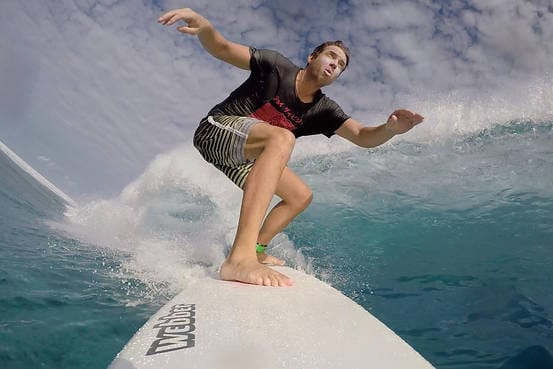
Their origins tell the story of two different philosophies. In 2002, Nick Woodman was on a surf trip in Australia, trying to jury-rig a camera to his wrist. His goal was simple and relatable: capture great action shots. The result was GoPro, a company built on brilliant lifestyle marketing that sold not just a camera, but an identity. "Be a HERO," the slogan urged, and millions of consumers responded, turning GoPro into a media darling.
Meanwhile, in a dorm room at the Hong Kong University of Science and Technology, Frank Wang was obsessed with a more technical problem: making model helicopters fly more stably. His passion wasn't marketing or storytelling; it was flight control systems, the complex interplay of gyroscopes, software, and motors.
For years, their paths ran parallel. GoPro cornered the market on rugged, wearable cameras. Its revenue soared from 64 million in 2010 to nearly 1 billion by 2013. The "GoPro perspective"—a wide-angle, first-person view—became the visual language of a generation.
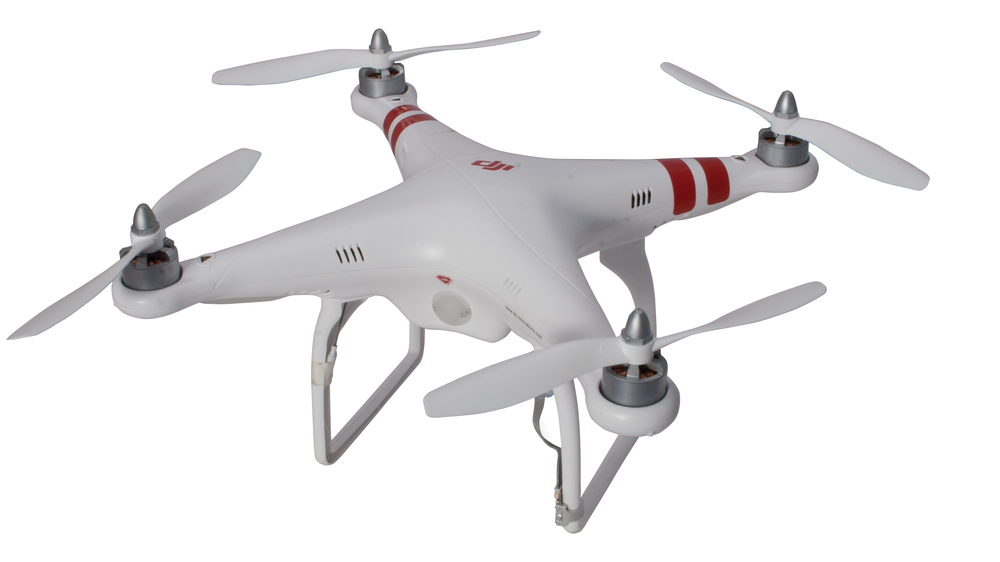
The worlds collided in 2013 with the launch of the DJI Phantom 1. It was the first "ready-to-fly" consumer drone, taking a complex hobbyist pursuit and making it accessible to the masses. Critically, it didn't have its own camera. Instead, it featured a purpose-built mount for one device: the GoPro Hero.
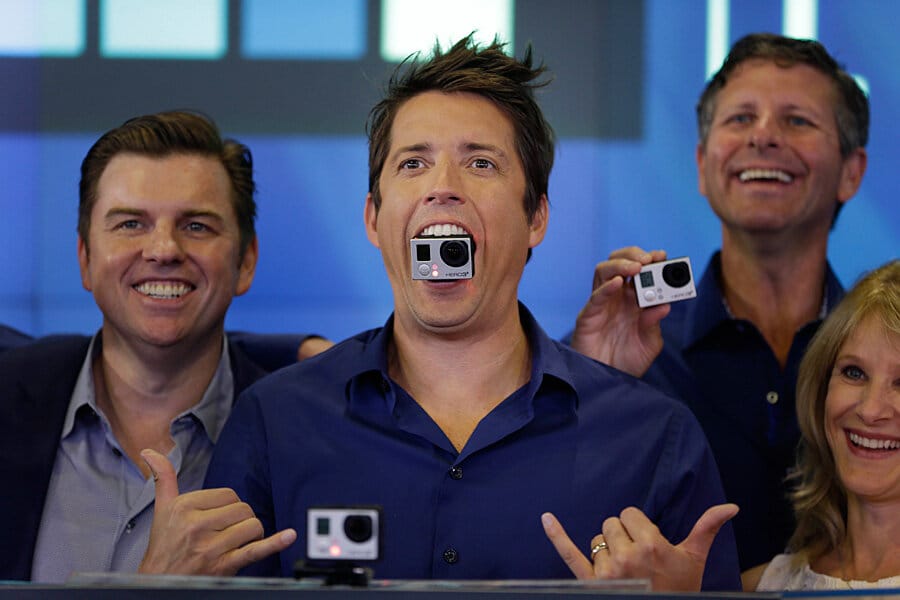
Almost overnight, a new market was born. The combination was electric. DJI provided the platform; GoPro provided the eye. The creative potential was limitless, and it sent GoPro’s sales into the stratosphere, solidifying its brand as not just a sports camera, but an "everything" camera. The partnership was instrumental in GoPro's blockbuster 2014 IPO. For a moment, it seemed like an unstoppable alliance. But DJI was already planning its next move.
The Aerial Waterloo
While GoPro was celebrating its Wall Street debut, DJI was quietly severing its dependency. Later in 2014, it released the Phantom 2 Vision, its first drone with a fully integrated, DJI-made camera. The message was subtle but clear: the GoPro was no longer necessary. By 2015, the Phantom 3 arrived with a built-in 4K camera and live HD video streaming to a smartphone—features that an attached GoPro, with its separate controls and connections, couldn't smoothly replicate.
GoPro, realizing it was being designed out of the ecosystem, decided to fight back. If DJI was going to make cameras, then GoPro would make a drone. The stage was set for a dramatic showdown in the fall of 2016.
GoPro announced the Karma, a sleek, foldable drone designed to work seamlessly with its new Hero5 camera. It featured a clever modular design: its camera stabilizer could be removed and used as a handheld gimbal. Hopes were high that Karma would be GoPro’s triumphant entry into the aerial market.
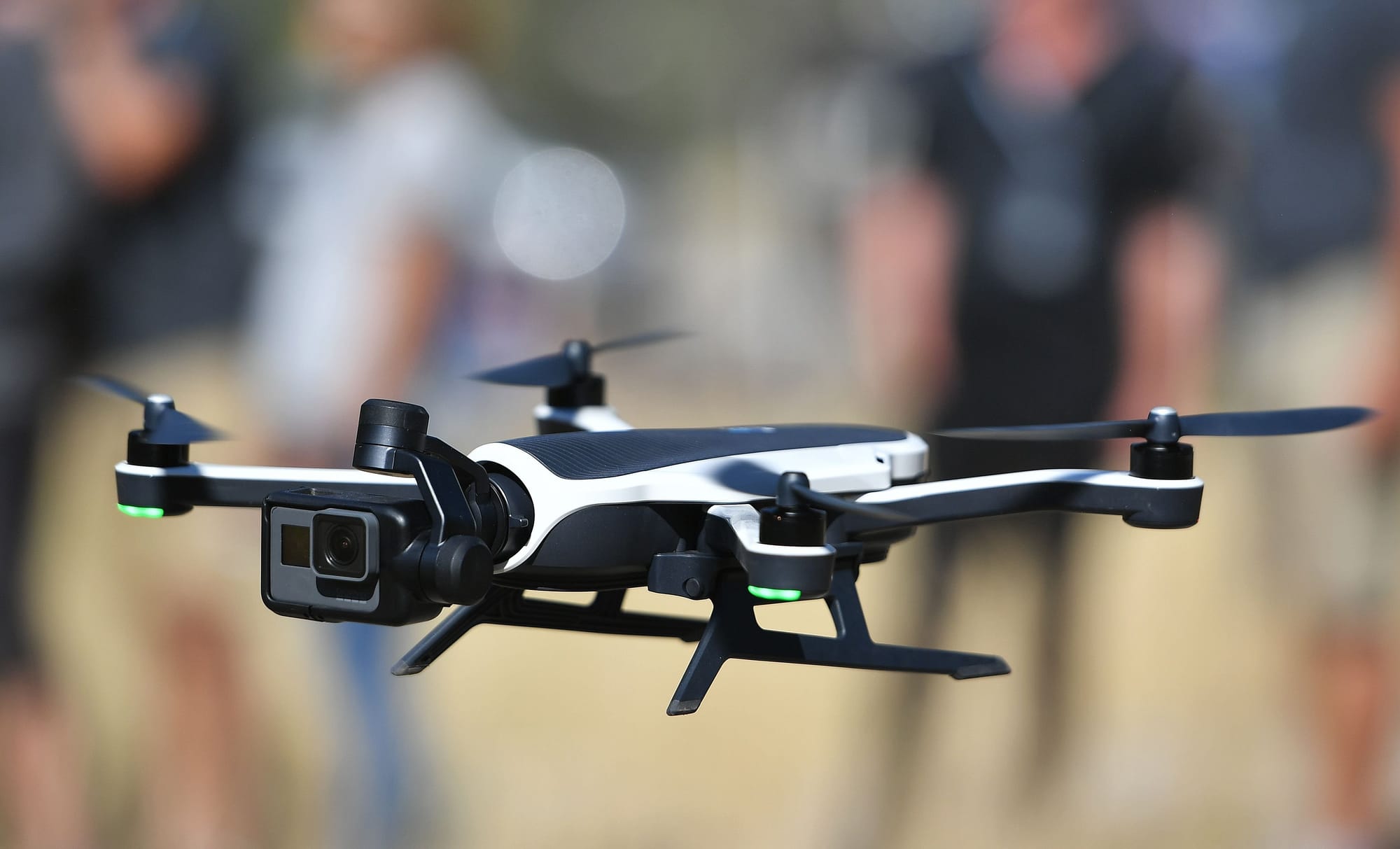
Just eight days after the Karma launch event, DJI unveiled its own masterpiece: the Mavic Pro. It was a mic drop. The Mavic was smaller, lighter, flew faster, had a longer battery life, and boasted a transmission range of 7 kilometers, dwarfing the Karma’s 3-kilometer range. Most importantly, it featured advanced obstacle avoidance, a critical feature the Karma lacked.
The Mavic Pro was a superior product in every technical specification. But GoPro’s problems were about to get much worse. Weeks after Karma’s launch, reports emerged of a catastrophic flaw: the drones were losing power mid-flight and literally falling from the sky.
The fallout was brutal and swift. GoPro was forced to recall all 2,500 units it had sold. The launch, meant to herald a new era, became a public relations and financial disaster. The company’s stock plunged. In 2018, GoPro officially announced it was shuttering its drone division.
"GoPro’s mistake was thinking the drone was an accessory for their camera," says a consumer tech analyst who followed the industry closely. "DJI understood that the camera was just one component of an integrated flying robot. They were playing different games, and DJI was playing for keeps."
The Ecosystem Endgame
The Karma failure was not an isolated incident; it was a symptom of a deeper, strategic mismatch. DJI's victory was rooted in a fundamentally different approach to technology and business.
Vertical Integration vs. Brand Licensing
DJI’s strength came from its relentless focus on vertical integration. The company poured resources into mastering every core technology: flight controllers, gimbal stabilization, video transmission, and, eventually, camera and sensor technology. Headquartered in the manufacturing hub of Shenzhen, DJI could iterate at a blistering pace, moving from concept to prototype to production in a fraction of the time it took Western rivals.
GoPro, in contrast, operated on a model of brand and design, outsourcing key components and manufacturing. Its camera sensors came from Sony; its assembly was handled by Taiwanese factories. This made it agile in marketing but vulnerable in a head-to-head technology race. When it tried to build a drone, it lacked the deep, in-house expertise in flight dynamics and robotics that DJI had spent a decade perfecting.
A Multi-Front War
After winning the air war, DJI didn’t stop. It took the fight to GoPro’s home turf: the ground. Leveraging its world-class gimbal technology, DJI launched the Osmo series—handheld stabilized cameras that directly targeted GoPro’s core Vlogger and action-sports market. The Osmo Pocket and later the Action camera series were not just alternatives; they were aggressively priced, feature-rich competitors.
GoPro found itself boxed in. Its attempts to diversify were consistently thwarted by a rival that seemed to be one step ahead.
- The Professional Market: When GoPro tried to enter the professional VR and 360-degree video market with its Omni and Fusion cameras, DJI was already cementing its dominance in professional filmmaking with its Ronin gimbals and high-end Zenmuse cameras, which it integrated with its industrial drones. DJI even acquired a majority stake in Hasselblad, the legendary Swedish camera maker, signaling its ambitions in the highest echelons of photography.
- The Software Ecosystem: GoPro pushed its Quik editing app and a subscription service offering cloud storage, hoping to build a recurring revenue stream. But DJI’s software—like the DJI Fly app—was intrinsically linked to the hardware’s core functionality, creating a much stickier ecosystem. For DJI users, the software wasn't an add-on; it was the command center.
"GoPro defined a category, but DJI defined the platform," says a former executive at a competing hardware company. "Once your customers are locked into your flight software, your editing tools, and your hardware, it's incredibly difficult for a single-product company to break in."
Divergent Destinies
Today, the two companies occupy starkly different realities. DJI is a private, multi-billion-dollar behemoth that commands an estimated 85% of the global consumer drone market. Its revenue in 2024 is projected to be around $3.5 billion, and its technology is now expanding into enterprise sectors like agriculture, construction, and public safety.
GoPro, meanwhile, is a shadow of its former self. Its 2024 revenue is projected to fall to around 800million,withanetlossexceeding800million,withanetlossexceeding400 million. Its stock trades for a few dollars a share, a fraction of its peak. While it remains a respected name in action cameras, its narrative has shifted from one of explosive growth to one of survival. The hero, it seems, is in need of rescuing.
The irony is that GoPro’s greatest ally became its most formidable foe. The DJI Phantom, the drone that carried the GoPro camera to its highest altitudes and helped fuel its IPO, ultimately became the vessel for its displacement. Frank Wang’s quiet, obsessive engineering culture outmaneuvered Nick Woodman’s loud, aspirational marketing machine. The company that focused on building an integrated technological system defeated the company that focused on building a brand.
The fateful crossroads was that failed negotiation in 2015. One company saw a branding opportunity; the other saw the blueprint for an empire.
The view from the sky, once a shared frontier, now belongs to the company that built the wings, not just the eye.