
Two Chinese Robotaxi Startups Set for Simultaneous Hong Kong Listing
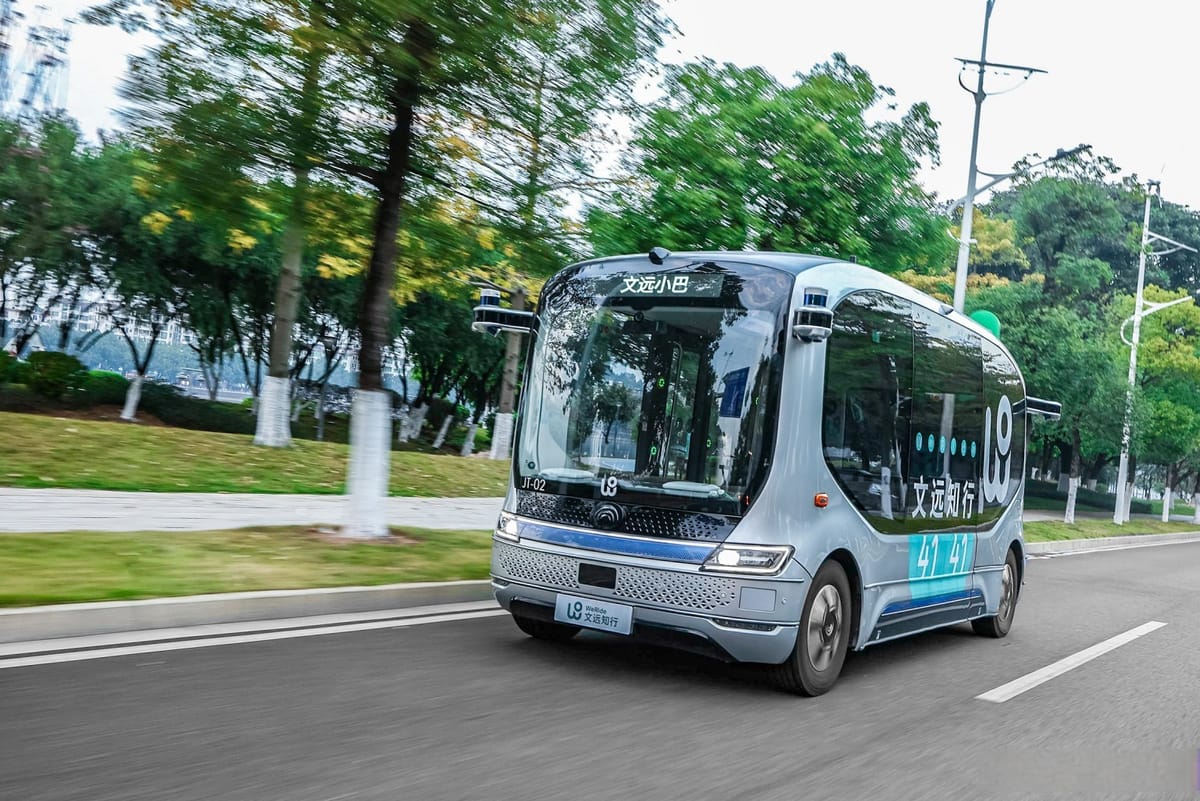
Pony.ai and WeRide, two leading autonomous driving companies, are set to debut on the Hong Kong Stock Exchange on November 6, extending their competition from public roads to capital markets in a race to become the first Hong Kong-listed robotaxi operator.
WeRide announced on October 28 that it plans to offer 88.25 million shares at a maximum price of HKD 35 per share, subject to over-allotment options. The same day, Pony.ai disclosed plans to issue 41.96 million shares at a maximum offering price of HKD 180 per share, with final numbers dependent on allocation adjustments and over-allotment exercises.
The dual listing marks another head-to-head competition for the autonomous driving unicorns, following their respective entries into the U.S. Nasdaq market in 2024.
Divergent Strategic Approaches
While both operate in the robotaxi sector, the companies have adopted different growth strategies, according to prospectus information cited by 21st Century Business Herald.
Pony.ai focuses primarily on the domestic Chinese market. It is the only company authorized to provide public autonomous ride-hailing services across all four of China's first-tier cities—Beijing, Shanghai, Guangzhou, and Shenzhen. The company operates fully driverless commercial services in Beijing, Guangzhou, and Shenzhen, with a fleet exceeding 680 self-owned autonomous vehicles and cumulative autonomous mileage surpassing 47.9 million kilometers.
WeRide, by contrast, has pursued aggressive international expansion, operating across more than 30 cities in 11 countries. It is the only technology company globally holding autonomous driving licenses in seven countries. The company operates over 700 autonomous taxis and manages the largest autonomous vehicle fleet in Abu Dhabi.
Race to L4 Scale
Despite their different commercialization paths, both companies are targeting scaled deployment of Level 4 autonomous driving technology.
Pony.ai co-founder and CEO James Peng told Wallstreetcn that L4 autonomous driving represents a fundamentally different category from L2 driver assistance systems. While L2 has become a crowded market, L4 remains a "blue ocean" approaching mass commercialization.
Regarding competitive advantages against international players like Tesla and Waymo, Peng noted that while Chinese autonomous driving firms may have started later, they have developed rapidly in recent years. He emphasized that China's mature automotive supply chain is driving costs down significantly—Pony.ai's seventh-generation autonomous driving system has achieved a 70% reduction in hardware costs, creating a foundation for scaling.
Peng stressed that current L4 market competition centers not on pricing but on which company can first solve the systematic optimization challenges involving technology, costs, and business models.