
Xiaomi Advances EV Ambitions with EREV SUV and Sedan Refresh After 500,000 Unit Milestone
Xiaomi has surpassed the 500,000 production mark for its electric vehicles, a manufacturing milestone achieved in less than 20 months that sets the stage for an aggressive product expansion into hybrid SUVs and updated sedan models.
CEO Lei Jun marked the achievement at the company’s factory last week, participating in the assembly line work to celebrate the vehicle's completion. The speed at which Xiaomi reached this volume outpaces the early growth trajectories of established competitors such as Tesla Inc. and domestic rivals, underscoring the consumer electronics giant's rapid adaptation to automotive manufacturing.
According to a report by AutoLab, the company is now pivoting to broaden its market appeal by introducing its first extended-range electric vehicle (EREV), the YU9 SUV, alongside a significant refresh of its popular SU7 sedan. These moves follow the company’s reported achievement of profitability in the third quarter, signaling an intent to capture both the family utility segment and the high-performance market.
Entering the Family Segment with YU9
Targeting the lucrative six-seater family SUV market, Xiaomi is preparing to launch the YU9, a large SUV designed to compete directly with "nanny cars" ideally suited for family travel. Recent road tests in the Pamir Plateau involved Lei Jun and senior engineers, revealing a vehicle reportedly exceeding 5.2 meters in length with a wheelbase over 3.1 meters, intended to offer flexible seating layouts.
The YU9 represents a strategic shift in powertrain technology for Xiaomi, utilizing a 1.5T range extender paired with dual motors and a substantial 80-kilowatt-hour battery. This configuration aims for a pure electric range of 500 kilometers, treating the fuel engine primarily as a backup. Engineering details from leaked images suggest the inclusion of rear-wheel steering to enhance maneuverability, alongside family-focused features such as rear doors opening near 90 degrees and rotating second-row seats.
Technological specifications are expected to remain high-end, with the vehicle likely featuring the Snapdragon 8 Gen3 cockpit chip and Thor-U drive assistance chips. It is also expected to debut the ETX800 line laser radar from Hesai Group. The report indicates the YU9 could appear in regulatory filings as early as next month, with a market launch projected for the second quarter of the following year.
Flagship Sedan Refresh and Extension
Following the "phenomenal" success of the SU7, which saw wait times stretch up to a year, Xiaomi is planning a comprehensive mid-cycle update to maintain competitiveness against rapidly iterating rivals. The refreshed SU7 implies a "more for the same price" strategy, upgrading the electrical architecture from 400V to a 900V system capable of 5C supercharging. The update is expected to utilize the second-generation Qilin battery from Contemporary Amperex Technology.
The refresh will likely streamline intelligent driving hardware, eliminating vision-only low-spec versions in favor of standardizing Thor chips and LiDAR across the lineup. Comfort features are also slated for upgrades, including dual-chamber air suspension and adjustable electronic glass roofs. Notably, the company is developing a long-wheelbase variant, the SU7L, expected to add approximately 100mm to the wheelbase to address consumer feedback regarding rear-seat legroom.
Performance Expansion with YU7 GT
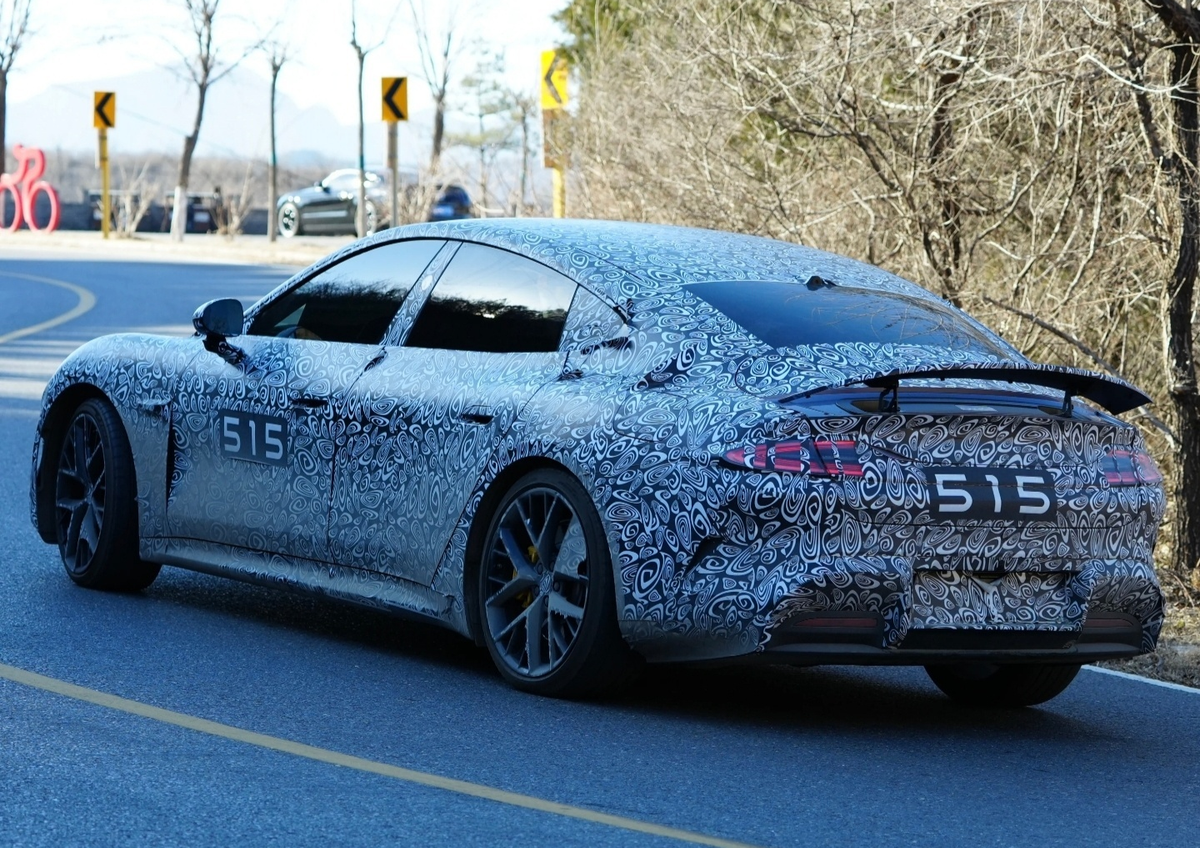
Beyond family haulers and sedans, Xiaomi is expanding its performance footprint with the YU7 GT. Spy shots from Nürburgring testing reveal a wide-body design with aggressive tire specifications. The vehicle is expected to share the tri-motor powertrain found in the SU7 Ultra, delivering output exceeding 1,100kW.
The GT variant aims to establish itself as a track-capable SUV, equipped with high-performance hardware including six-piston calipers, carbon ceramic brake discs, and carbon fiber aerodynamic kits. This expansion into varied high-end segments demonstrates Xiaomi's strategy to capitalize on its record-breaking production ramp-up and recent financial turn into profitability.