
Xiaomi AI Glasses Sales Falter as User Complaints Mount
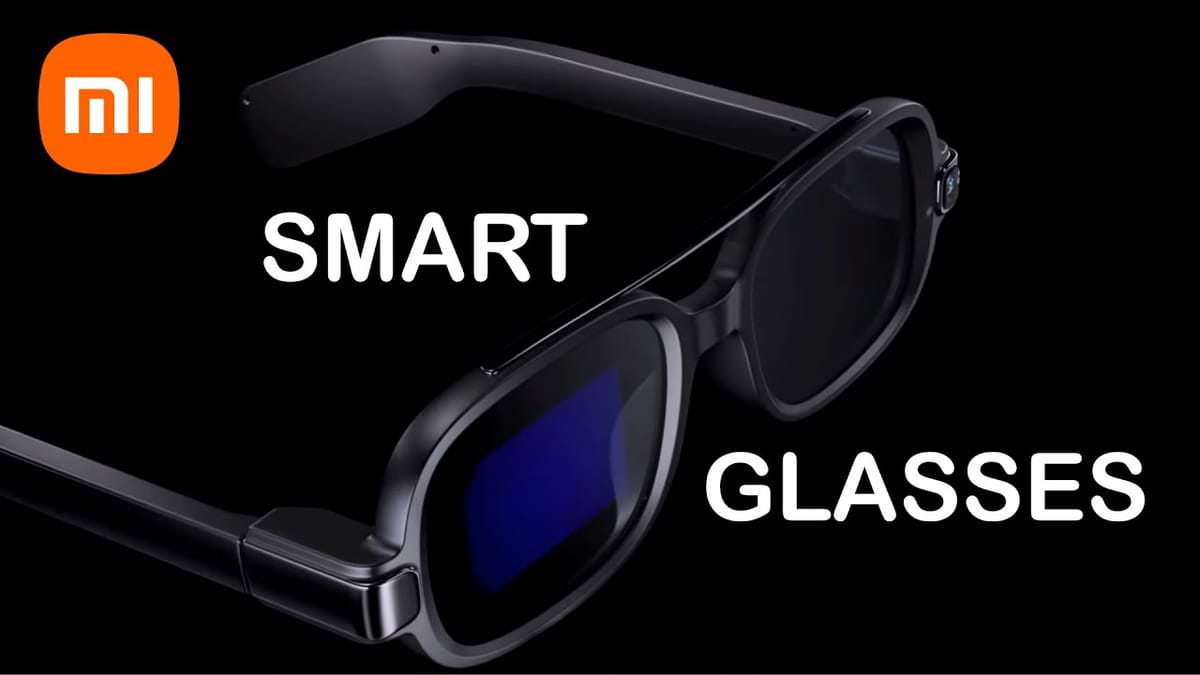
Xiaomi Corp.’s much-hyped AI-powered smart glasses are facing a rapid decline in consumer interest and sales just two months after their debut, a significant setback that clouds the company’s ambitions in the burgeoning wearables market. The initial frenzy surrounding the device has given way to sluggish in-store traffic and mounting criticism over product quality, according to field research conducted by the STAR Market Daily.
This cooling demand stands in stark contrast to the product's strong start, which saw it sell over 10,000 units on JD.com within five days and briefly fueled internal speculation of an increased sales target. However, recent data paints a different picture. On the social commerce platform Douyin, for instance, daily sales have plummeted from a peak of 5,000-7,500 units on launch day to a mere 100-250 units as of August 18, according to analytics firm Chanmama.
The sales slump is largely attributed to user complaints centered on the glasses’ perceived low quality and underdeveloped features. Early adopters have criticized everything from its “cheap plastic feel” to its flawed camera and unresponsive voice assistant, undermining Xiaomi’s bid to replicate the success of Meta Platforms Inc.’s Ray-Ban smart glasses in the Chinese market.
Xiaomi’s struggles highlight the immense challenge Chinese tech firms face in translating market hype into sustained consumer adoption for AI hardware. While the broader smart glasses market is expanding rapidly, the experience with Xiaomi’s offering suggests that fundamental issues in hardware design and user experience remain major barriers to capturing a mainstream audience.
From Hot Launch to Cold Reality
After an explosive launch, the market enthusiasm for Xiaomi’s AI Glasses has cooled considerably. Field research in major cities like Shanghai, Chengdu, and Hangzhou revealed a sharp drop in in-store engagement, with reporters observing no customers actively inquiring about or trying the product during multiple 20-minute visits to Xiaomi stores—a stark contrast to the queues seen on its release day.
Sales staff at offline stores confirmed the slowdown. An employee at a Shanghai store reported selling "dozens" of units since the launch but noted that restocks are infrequent, with as few as three units arriving in a two-week period. A store in Hangzhou reported monthly sales of just eight to ten pairs. While cumulative online sales figures appear substantial—over 40,000 on JD.com and 7,000 on Taobao—the current sales velocity has weakened. Several models, including the color-changing and tortoiseshell versions, are now sold out across all channels with no official restock date.
Even sales staff offer lukewarm endorsements. "If you have the budget and want to try something new for fun, you can get one," one salesperson advised. "But if it's not a necessity and you don't have spare cash, you could skip it."
Quality and Usability Under Scrutiny
A key driver of consumer disillusionment appears to be the product’s build quality and user experience, which many feel does not justify its price tag of 1,999 yuan ($275). Despite being marketed as a high-tech device, users on social media platforms like Xiaohongshu have criticized the glasses for a "cheap plastic feel" and flimsy lenses that are prone to reflection.
Core AI functionalities have also drawn criticism. The integrated camera lacks a viewfinder, meaning users are essentially "blind shooting" without the ability to frame photos or videos effectively. The absence of image stabilization results in shaky video footage, a problem frequently cited by early users. Furthermore, managing captured media requires a smartphone, as no on-device management is possible.
The device's built-in voice assistant, "Xiao Ai," has been described as unresponsive and prone to causing conflicts with Xiaomi's other smart home products, as its wake word cannot be customized. The company’s policy of not allowing "seven-day no-reason returns" after the product is unsealed has further fueled customer frustration.
Competitive Landscape and Market Challenges
Xiaomi’s troubles unfold against the backdrop of a booming but fiercely competitive market. The global smart glasses market grew 82.3% year-over-year in Q1 2025, while China's market surged 116.1%, according to IDC. With over 400 related enterprises in China, the pressure to deliver a compelling product is immense. Xiaomi’s lower price point—compared to competitors like Rokid, whose glasses retail for 3,299 yuan—was seen as a key advantage but may have come at the cost of quality control.
Ye Qingqing, an analyst at IDC China, told STAR Market Daily that the domestic AI glasses industry faces significant hurdles. "Mainstream products generally fall short in fundamental hardware experience, including weight, battery life, and heat dissipation," she stated. "This creates a gap between user expectations and reality." Ye also noted the lack of a "killer app," which means most functions can still be performed by other devices like smartphones.
Looking ahead, Ye foresees a dual-track evolution for the industry. On one path, lightweight glasses will evolve from simple camera tools into multi-functional "personal life assistants" for diverse consumer segments. On the other, professional-grade head-mounted displays will continue to target specialized vertical markets, creating a differentiated landscape.
Source: STAR Market Daily