
Xiaomi Bets on Rear Screen Technology to Challenge iPhone 17 in Risky High-End Strategy
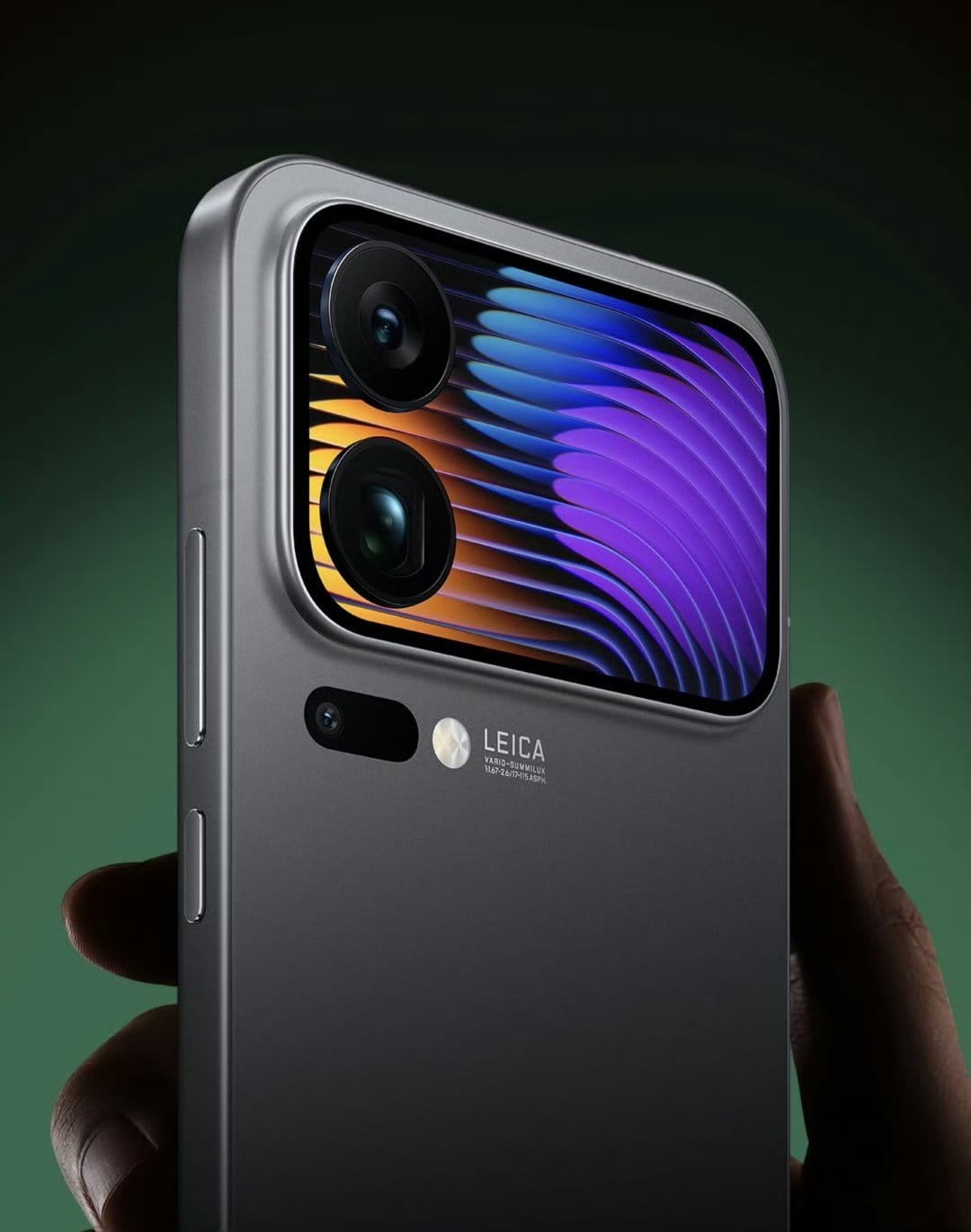
Xiaomi is banking on rear screen technology as a key differentiator for its upcoming Mi 17 series, skipping the Mi 16 generation entirely in an aggressive bid to compete with Apple's iPhone 17 lineup expected later this year.
The Chinese smartphone maker has been heavily promoting what it calls the "MiaoXiang rear screen" feature since announcing the Mi 17 branding earlier this week, with company executives including CEO Lei Jun and President Lu Weibing positioning the technology as a "new thing" that will help the device "comprehensively compete" with iPhone 17 models. The rear screen functionality will be limited to the Mi 17 Pro and Pro Max variants.
Industry observers note that Xiaomi's strategy represents a significant gamble, as rear screen implementations have historically failed to gain market traction. Previous attempts by companies including Meizu, Nubia, and Vivo were ultimately discontinued due to user experience limitations and poor sales performance.
The move reflects Xiaomi's ongoing struggle to establish itself in the premium smartphone segment, where Apple maintains dominant market share despite fierce competition from Android manufacturers.
Rear Screen Capabilities and Market Positioning
Xiaomi's rear screen implementation draws from both traditional secondary display concepts and the company's own foldable phone experience. The feature will support basic information display including time, photos, and widget functionality, while also serving as a viewfinder for rear camera selfies - addressing what industry analysts consider a legitimate use case for rear screen technology.
Beyond passive display functions, the Mi 17's rear screen will incorporate touch capabilities allowing users to perform simple interactions such as focus point selection and quick settings adjustments. Marketing materials have demonstrated automotive integration features, including air conditioning control through the rear display.
The technology builds on lessons learned from Xiaomi's Mi Mix Flip foldable device, though the Mi 17 implementation will offer more limited functionality compared to the full app support available on external foldable displays. Company executives emphasize the emotional value proposition, positioning the rear screen as a differentiation tool in an increasingly commoditized smartphone market.
Technical Challenges and Historical Precedents
The rear screen addition introduces significant engineering challenges that have historically plagued dual-screen smartphone designs. Power consumption represents a primary concern, with industry testing on similar implementations showing 4-6% additional battery drain for always-on display functionality over 16-hour periods.
Thermal management presents another critical challenge, as the rear screen creates an additional heat source while potentially blocking heat dissipation from the camera module area - space that Apple reportedly utilizes for cooling in its iPhone 17 design. The implementation also doubles screen breakage risk, adding maintenance cost concerns for consumers.
Previous dual-screen smartphones including the Meizu Pro 7, Nubia X, and Vivo NEX dual-screen edition failed commercially due to these fundamental limitations. The Meizu Pro 7's poor sales performance contributed significantly to that company's market decline, while other manufacturers quickly discontinued their dual-screen experiments.
Market Reality and Strategic Implications
Despite Xiaomi's aggressive marketing campaign, industry data suggests limited potential for the Mi 17 series to meaningfully challenge iPhone 17 sales. The iPhone 16 standard model has sold approximately 6.05 million units, nearly matching the Mi 15 series' total sales of 6.5 million units across all variants.
According to Kano Model analysis, rear screen functionality represents at best an "attractive attribute" that may delight some users but fails to address basic smartphone requirements like performance, battery life, and reliability. For many consumers, the feature may qualify as completely neutral to their purchasing decisions.
Xiaomi's strategy reflects broader challenges facing Chinese smartphone manufacturers attempting to compete in premium market segments dominated by Apple's ecosystem advantages and brand loyalty. The company's decision to rename its upcoming flagship and heavily promote experimental features suggests internal pressure to generate market differentiation amid intense competition.
The outcome will likely determine Xiaomi's credibility in premium smartphone positioning, with success requiring the company to overcome historical dual-screen limitations while delivering compelling user experiences that justify additional complexity and cost.