
Xiaomi Faces EV Capacity Crunch and Margin Squeeze as HSBC Slashes Target Price
HSBC Qianhai Securities has delivered a sobering reassessment of Xiaomi this week, slashing its target price by nearly 14% while maintaining a Buy rating on the stock. The report, published November 10th, highlights mounting pressures from delayed electric vehicle capacity expansion and deteriorating smartphone margins that have sent the shares tumbling 22% since early September—even as the broader Hang Seng Index climbed 1% over the same period.
The downgrade comes at a critical juncture for Xiaomi's ambitious push into EVs, with the company struggling to scale production fast enough to meet demand while simultaneously grappling with rising memory costs that threaten the profitability of its core smartphone business.
The Dual Headwinds
HSBC cut its target price to HKD 65.40 from HKD 75.90 (RMB 58.39 from RMB 69.09 for the yuan counter), reflecting lowered 2026 and 2027 earnings estimates by 9% and 7% respectively. The firm cites two principal concerns: first, delays in Xiaomi's EV production capacity ramp-up and market anxiety about timely product deliveries; second, margin compression in smartphones driven by surging DRAM and NAND Flash prices.
According to DRAMeXchange data, Mobile DRAM contract prices and NAND Flash wafer prices are expected to increase by 10% and 9% quarter-over-quarter in 4Q25, respectively. Memory components account for over 20% of the bill of materials in Xiaomi's entry-level smartphones, forcing the company to raise retail prices on mid-range models like the Redmi K90 by RMB100-500 (14−14−69). HSBC now projects smartphone gross margins will compress to 10% in 4Q25, down from previous expectations.
Q3 Results: Profitable EVs, But Smartphone Weakness Looms
Xiaomi is set to report third-quarter results in mid-November, with HSBC expecting net profit of approximately RMB10.1 billion ($1.4 billion) on revenue of RMB108.4 billion (up 17% year-over-year) and a 22.3% gross profit margin.
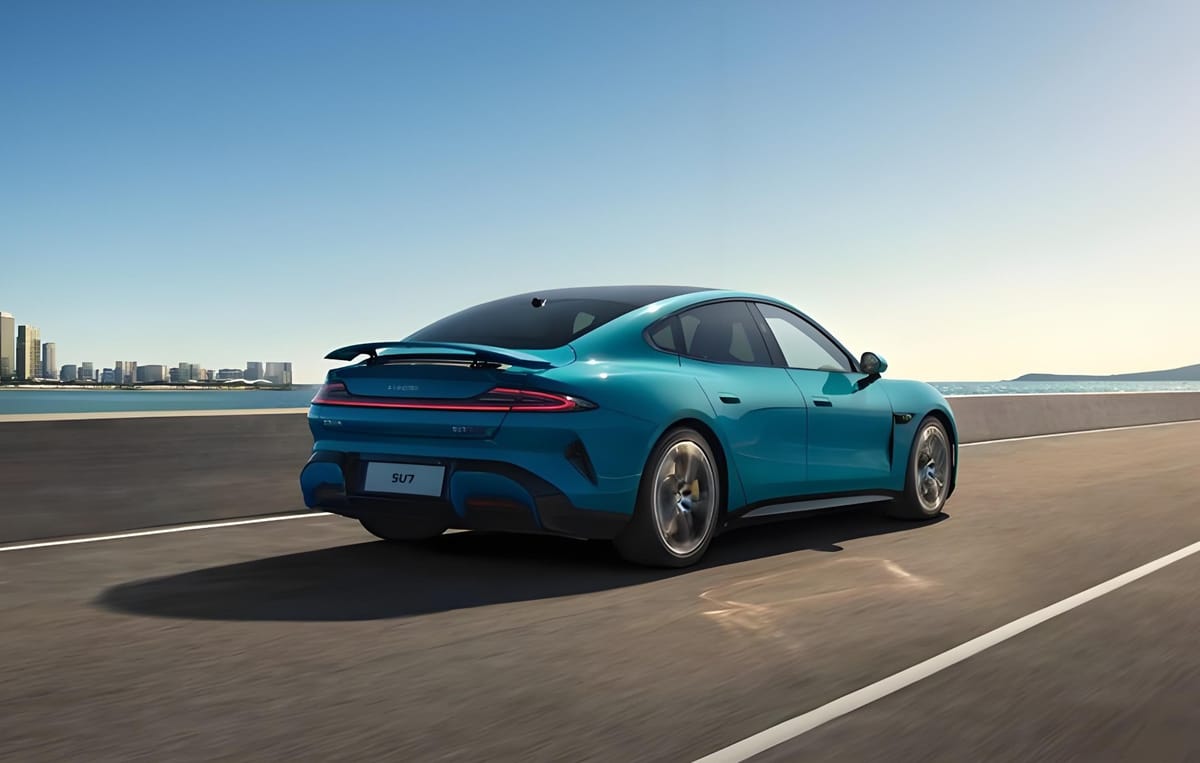
The EV segment appears poised to achieve profitability in 3Q25, with an estimated 109,000 units shipped and gross margins around 25.2%—though this represents a sequential decline from 26.4% in 2Q25 due to a lower mix of the premium SU7 Ultra model. Weekly EV deliveries have exceeded 10,000 units since late September, putting Xiaomi on track for approximately 400,000 deliveries in 2025.
However, the smartphone division faces headwinds. Global shipments reached 45.3 million units in 3Q25 (up just 2% quarter-over-quarter), while China shipments—which typically carry higher average selling prices—actually declined 4% to 10 million units, according to IDC data. HSBC estimates smartphone gross margins at 11% for the quarter, pressured by unfavorable product mix and component cost inflation.
Capacity Constraints Cloud EV Ambitions
While HSBC raised its 2025 EV shipment estimate to 400,000 units (from 365,000), the firm turned more cautious on growth beyond 2026, lowering projections to 600,000 and 780,000 units for 2026 and 2027 respectively (from 600,000 and 810,000). The culprit: slower-than-expected production ramp-up at Xiaomi's manufacturing facilities.
The analysts note that visibility on when Xiaomi's second-phase EV production facility (P2 fab) will come online remains limited, though they expect clearer guidance entering 2026. This uncertainty has weighed heavily on the stock, as investors question whether Xiaomi can maintain its early momentum in China's brutally competitive EV market.
Valuation: Still 55% Upside Despite Cuts
Despite the reduced outlook, HSBC maintains its Buy rating, arguing the market has overreacted. Using a sum-of-the-parts approach, the firm values Xiaomi's legacy businesses (smartphone, IoT, internet services) at 25x forward earnings—down from 28x previously, but still in line with 2026 peer averages. The EV business is valued separately using discounted cash flow at a 7.4% weighted average cost of capital.
The HKD65.40 target price implies approximately 55% upside from current levels around HKD42.24, suggesting the recent selloff has created opportunity for patient investors willing to look past near-term execution challenges. HSBC's estimates now sit 3-9% below Wind consensus on sales, though the firm projects higher-than-consensus 2025 earnings on better operating expense control.
The report underscores a fundamental tension in Xiaomi's transformation story: while the company has demonstrated strong execution on its premiumization strategy and made impressive early strides in EVs, scaling both businesses simultaneously in the face of component cost inflation and capacity constraints presents formidable challenges. For now, HSBC believes the risk-reward remains favorable—but the path forward has narrowed considerably.