
Xiaomi's Profit Falls 68% as Smartphone Shipments Drop 29%
Chinese consumer-electronics and electric-car company Xiaomi Corp. said profit for the third quarter fell 68.4% to 3.88 billion yuan from 12.26 billion yuan a year earlier, as smartphone shipments dropped 29.1% and revenue from its car and AI businesses declined. Revenue decreased 5.2% to 107.24 billion yuan, according to an unaudited Hong Kong exchange announcement dated Nov. 24. Adjusted net profit, a non-IFRS measure, fell 56.8% to 4.88 billion yuan. The results have been reviewed by PricewaterhouseCoopers and by Xiaomi's audit committee.
Smartphone shipments fell to 30.7 million units from 43.3 million a year earlier, which Xiaomi (HKEX: 1810) attributed to a leaner product mix and fewer low-end phones shipped worldwide. Phone revenue was nearly unchanged at 45.58 billion yuan, as the average selling price rose 39.8% to a record 1,486 yuan. Gross margin on smartphones slipped to 9.2% from 11.1%, mainly because of higher prices for key components, including memory, the company said, partly offset by a richer mix in the Chinese mainland. Omdia, cited in the announcement, said global smartphone shipments fell 20% year on year in the quarter. Xiaomi's global share was 12.1%, and it remained among the top three vendors for a 25th straight quarter.
Revenue from the smartphone, IoT and internet segment eased 0.9% to 83.36 billion yuan, with a gross margin of 20.4%. IoT and lifestyle-product revenue was 27.15 billion yuan, and internet-services revenue was 9.45 billion yuan. Connected IoT devices, excluding phones and tablets, reached a record 1.20 billion as of Sept. 30. Global monthly active users in September rose 4.1% to a record 771.9 million.
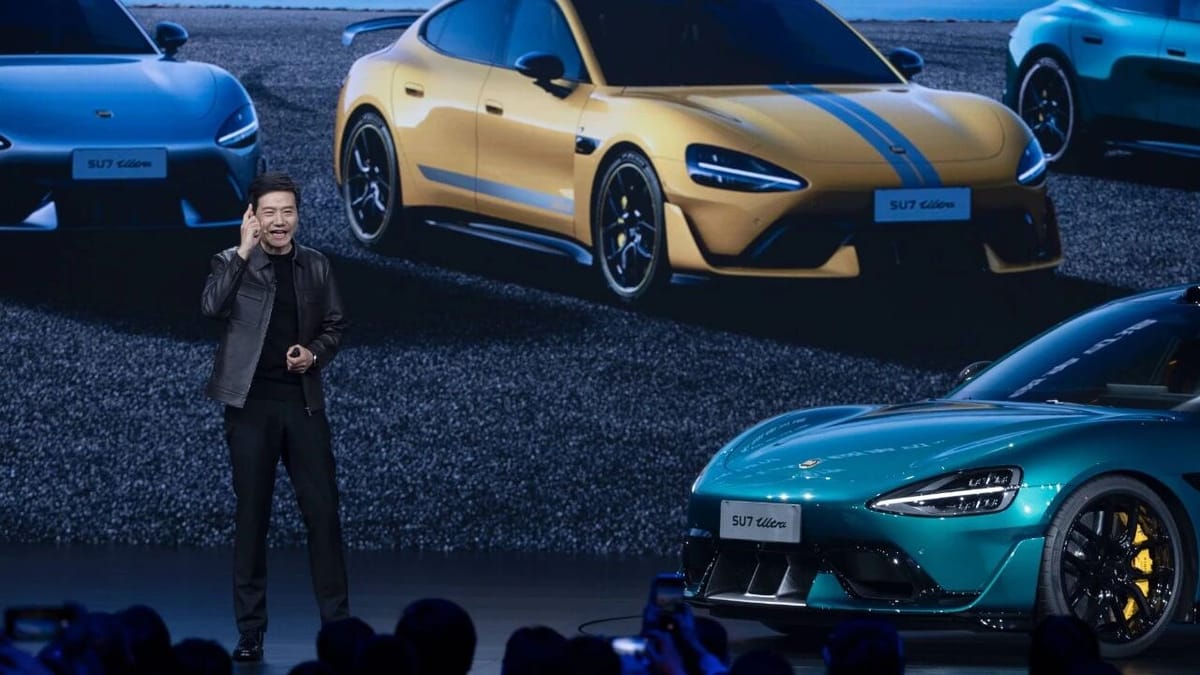
The newly renamed NEV, AI and other new initiatives segment, which previously lumped together smart electric vehicles and other new businesses, generated 23.88 billion yuan of revenue, down 17.7% from 29.01 billion yuan. Vehicle sales contributed 22.7 billion yuan, down 19.9% from 28.3 billion yuan, which Xiaomi said reflected lower deliveries and a change in mix, including a smaller contribution from the SU7 Ultra. Other related businesses, including AI, rose 68.9% to 1.2 billion yuan. The segment's gross margin narrowed to 19.2% from 25.5%, and the loss from operations — defined as gross profit minus operating expenses — was 3.4 billion yuan. Segment operating expenses rose 18.6% to 8.0 billion yuan.
Xiaomi delivered 100,975 vehicles in the quarter, including more than 10,000 of the SkyNomad extended-range SUVs launched in September. Locked-in orders exceeded 70,000 in the model's first month of sales, from Sept. 7 to Oct. 7. In September it said Xiaomi Auto would enter European markets in 2027 and signed memorandums of understanding with eight leading German dealer groups at IFA Berlin.
Group gross margin was 20.2%, down from 22.9% a year earlier and up from 19.8% in the second quarter. Research and development expenses were 9.2 billion yuan, compared with 9.1 billion yuan a year earlier. Net finance costs rose to 2.0 billion yuan from 0.2 billion yuan, primarily because of a change in the value of financial liabilities payable to fund investors. Cash and cash equivalents were 38.4 billion yuan as of Sept. 30, and cash resources, a broader company measure, were 196.9 billion yuan. From Jan. 1 through Nov. 19, Xiaomi repurchased about 431.5 million shares for about 13.1 billion Hong Kong dollars, more than the total amount spent on buybacks last year.
Related Coverage:
Xiaomi Lists Its Electric Cars for Sale in the UAE, With Deliveries From December
Xiaomi Lists 18 Pro in Europe at the Same Starting Price as iPhone 18 Pro