
Xpeng Consolidates Product Lines to Four to Two as Sales Growth Stalls and Losses Persist
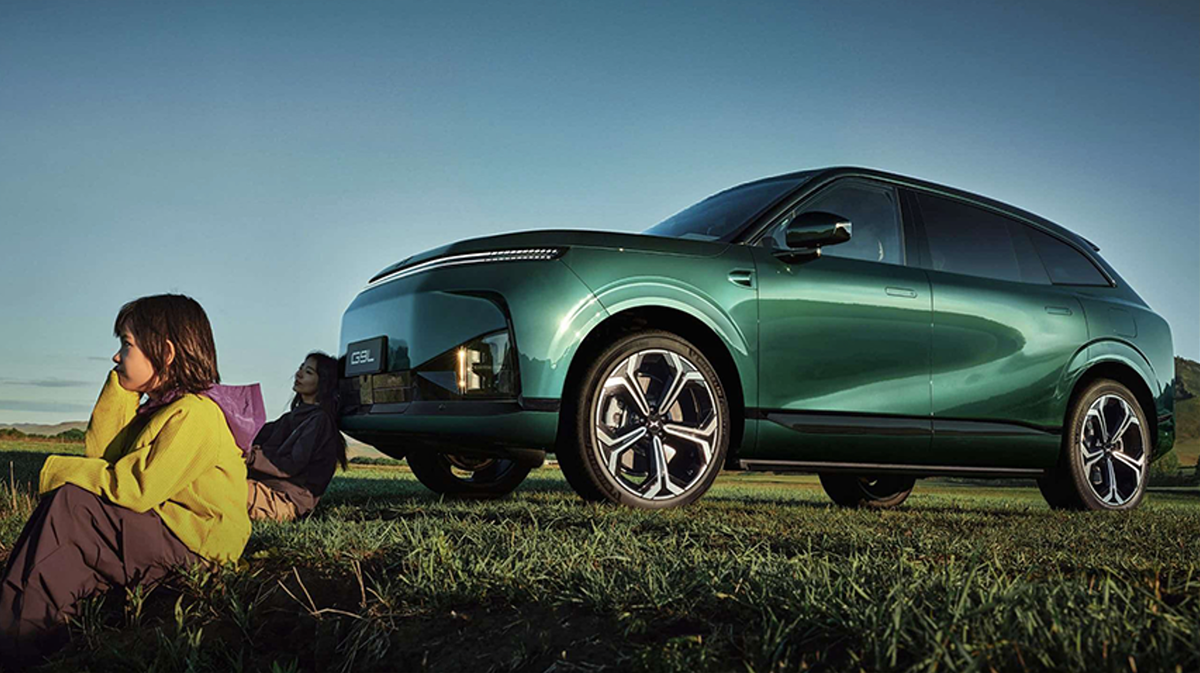
Xpeng Inc. has restructured its vehicle product lines from four to two, cutting internal redundancy as the Chinese electric automaker grapples with stagnant sales growth and ongoing losses, according to multiple industry sources familiar with the matter.
The company previously operated four product lines — F, D, I, and G — each carrying distinct responsibilities. Under the new structure, the I and F lines have been folded into the G line, leaving only G and D. The D line continues to house the MONA series, which targets the RMB 100,000–150,000 (US$13,800–20,700) price segment, while the G line now absorbs all remaining models, including large SUVs such as the Xpeng GX and G9L, as well as the P-series sedans and international products previously managed by the I line.
The reorganization is accompanied by personnel changes. The former head of the F line retains the same seniority and has taken on product definition responsibilities within the G line. The former I-line head has shifted to overseeing Xpeng's international affairs, though excluding overseas vehicle sales, sources said.
Sales Plateau Forces Strategic Rethink
The restructuring comes as Xpeng's expanded 2026 model lineup has yet to translate into meaningful volume growth. In the first quarter of 2026, deliveries fell to 62,700 units from 94,000 in the same period a year earlier, as key models underwent generational transitions. Second-quarter deliveries of 103,300 units were essentially flat year-on-year. For the third quarter, Xpeng guided deliveries of 115,000 to 121,000 units — again showing little improvement over the 116,000 units delivered in the third quarter of last year.
The company launched an aggressive product offensive this year, introducing the P7+ and G7 in extended-range and pure-electric variants, the X9 pure-electric version, and the GX in both powertrains, alongside refreshed versions of the G6, G9, and MONA M03. Yet the broader lineup has not delivered the expected sales lift, raising questions about the efficiency of research and development spending spread across multiple platforms.
Margin Pressure Underscores Urgency
Xpeng's second-quarter financial results, released on August 24, illustrate the financial logic behind the consolidation. The company posted a net loss of RMB 1.3 billion, narrowing from RMB 1.7 billion in the first quarter. Vehicle gross margin stood at 12.1%, roughly flat sequentially but down from a year earlier. The headline gross margin of 20.7% was largely supported by higher-margin technology licensing revenue rather than core vehicle sales.
A structural imbalance is emerging within the product mix. The MONA M03, with a starting price below RMB 120,000, accounted for approximately 40% of second-quarter deliveries and has contributed more than one-third of Xpeng's total sales volume from January through August. The MONA series' rapid volume ramp, while bolstering unit counts, is diluting vehicle-level margins. Premium models such as the GX — which accumulated over 20,000 cumulative deliveries between its late-May launch and August 31 — have yet to demonstrate sustained market traction at scale.
Industry-Wide Playbook
Xpeng's move mirrors a broader consolidation trend among Chinese automakers under pressure from rising raw material costs and slowing demand growth. Li Auto merged its first and second product lines late last year to eliminate overlapping functions and fragmented decision-making. NIO integrated Onvo's product development and sales operations into its own cluster structure. Geely Automobile Holdings took its largest consolidation step by privatizing Zeekr last year; in the first half of 2026, Geely reported sales growth of 1% year-on-year alongside a 46% jump in net profit, a result widely attributed to the synergies unlocked by that integration.
By reducing four product lines to two, Xpeng aims to sharpen R&D focus, reduce costs, and eliminate potential positioning and pricing conflicts between models. Whether the restructuring will produce a similar financial inflection point — as it has for peers — remains to be seen, but the direction signals a clear strategic pivot toward operational discipline over product breadth.
Related Coverage:
XPeng Intensifies Family SUV Push With Official G9L Launch
XPeng’s New VLA Pushes Its Physical AI Ambitions Beyond Cars