
XREAL Cuts AR Glasses Entry Price to $236 Ahead of Hong Kong IPO
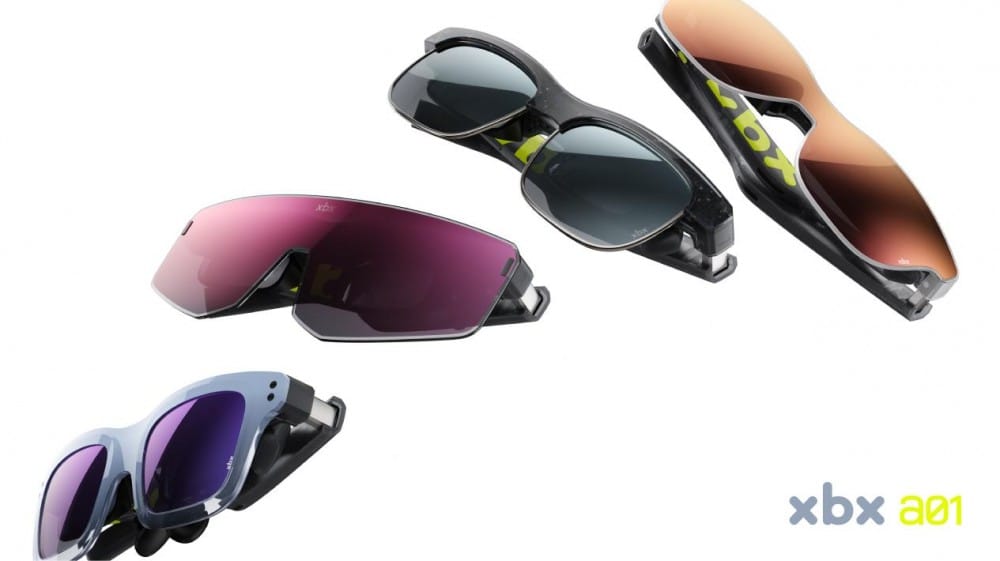
Chinese augmented reality hardware manufacturer XREAL introduced a new entry-level sub-brand priced at RMB 1,699 (US$236), executing a volume-driven market share acquisition strategy targeting Gen Z consumers as the company prepares for its Hong Kong initial public offering.
The launch of the "xbx" brand and its debut device, the xbx a01, marks a strategic pivot from premium spatial computing toward mass-market penetration. By dropping the entry price below the US$250 threshold, XREAL aims to demonstrate scalable unit economics and user base expansion to institutional investors following its April 1, 2026, prospectus filing with the Hong Kong Stock Exchange.
Initial specifications suggest the pricing structure does not sacrifice core hardware capabilities, signaling the maturity and cost-efficiency of China's domestic XR supply chain. The strategy accelerates price competition in the 2026 wearable display sector, pressuring domestic rivals like VITURE and RayNeo ahead of anticipated hardware releases from Apple and Meta later this year.
Supply Chain Efficiency Drives Down AR Hardware Costs
The xbx a01 reduces physical footprint, weighing 62 grams with lenses compressed to 0.5 millimeters. To achieve a claimed industry-leading brightness of 1,600 nits while maintaining a low bill of materials (BOM), XREAL integrated dual-layer Micro OLED panels from domestic supplier Seeya and visual processing chips from Pixelworks.
This component synergy enables 1.07 billion color output and HDR10 support, parameters previously reserved for premium headsets. Furthermore, the integration of spatial stabilization technology mitigates motion sickness in transit. This engineering choice shifts the primary hardware use case from stationary productivity to mobile entertainment and on-the-go viewing, directly expanding the Total Addressable Market (TAM).
Bifurcating Brand Strategy Expands Addressable Market
XREAL CEO Xu Chi positioned the xbx line as an entry-level gateway, explicitly targeting college students and younger demographics. This signals a dual-track monetization strategy: the flagship XREAL brand will retain its focus on high-margin, AI-driven spatial computing, while the xbx brand drives unit volume and lowers the barrier to ecosystem onboarding.
The volume-driven approach provides a hardware foundation for the company's software ambitions. XREAL confirmed that its Project Aura glasses, developed within the Google Android XR ecosystem and showcased at Google I/O 2026, will commence shipping later this year.
Aligning With Google Consolidates Ecosystem Standards
By aligning with Google’s software architecture, XREAL seeks to consolidate the fragmented AR operating system landscape. The current XR market suffers from siloed development environments, restricting third-party application growth. Integrating Android XR establishes a standardized platform, allowing XREAL to leverage Google's developer network to build a sustainable content moat.
As capital markets scrutinize consumer electronics IPOs, XREAL’s ability to convert its growing hardware installed base into recurring ecosystem engagement will dictate its post-listing valuation. The xbx a01 serves as the primary catalyst to prove this high-volume acquisition model viable in a saturating consumer tech environment.
Related Coverage:
XREAL Files for Hong Kong IPO as Chinese Smart Glasses Makers Race Against Tech Giants