
Zhang Yiming Says ByteDance Can't Catch OpenAI and Anthropic Before 2029 or 2030
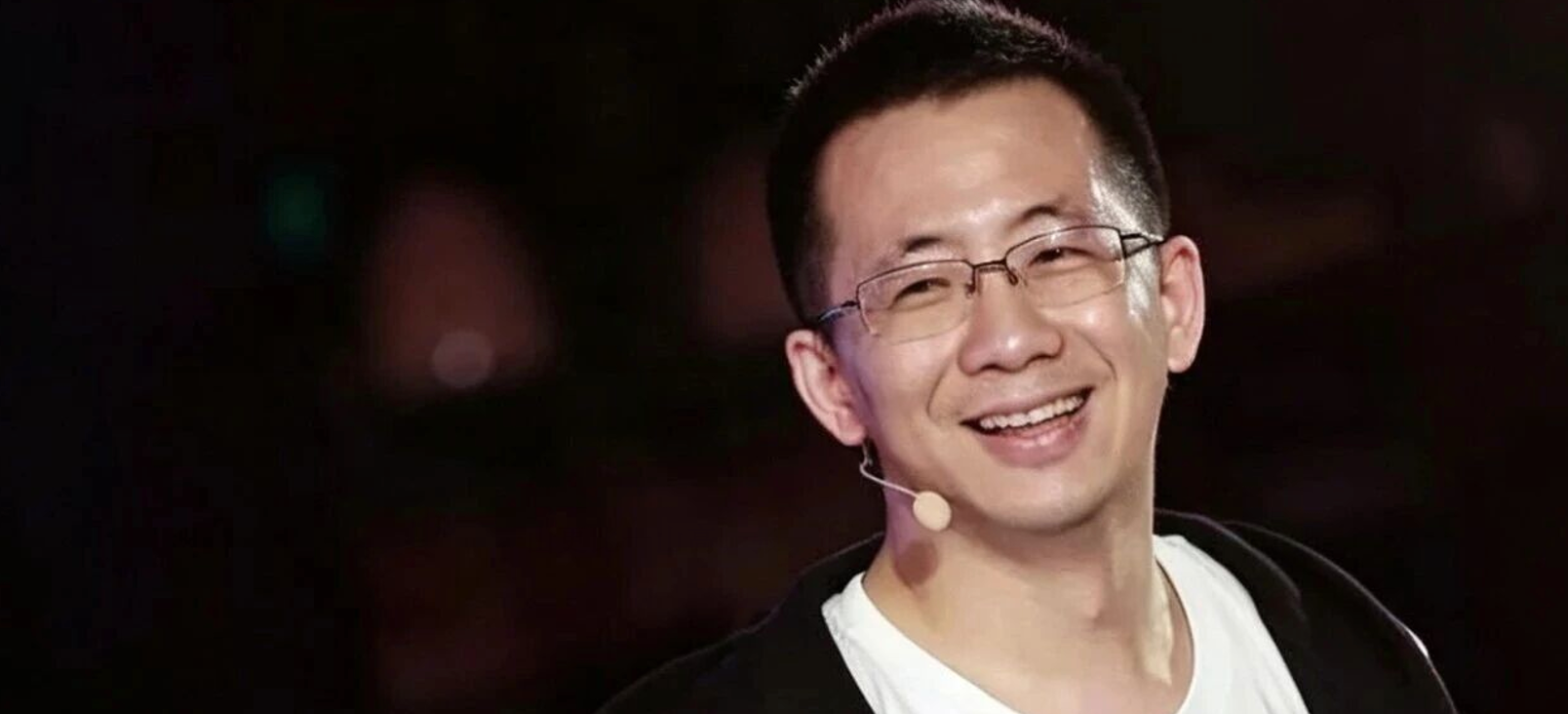
ByteDance founder Zhang Yiming recently told the company's AI team that ByteDance has the ability to compete with OpenAI and Anthropic, but that truly catching up to the frontier would take until 2029 or 2030 at the earliest.
He also said the pre-training dataset for the Seed series is still smaller than those used by leading overseas labs, and that this is the issue ByteDance's AI most needs to focus on now. The remarks, which the company has not confirmed, were reported by Bloomberg and The Paper, both citing people familiar with a recent all-hands. A ByteDance spokesperson did not comment.
That date is a floor, not a target and not a promise that ByteDance will have drawn even by then. If the account of the meeting is right, Zhang is telling the team it can compete with the two U.S. labs that now set the frontier, while putting parity no earlier than 2029 or 2030 and naming data scale as the present gap. Neither a figure for the dataset nor a reason for that earliest date has been given.
The same meeting, according to Bloomberg, also included a more immediate product plan: a Muse-like AI assistant due in the coming weeks. That, too, has not been confirmed.
The timeline sits on a line Zhang has already drawn. In August, he told an internal meeting that model work should stick to long-termism and delayed gratification, rather than using others' outputs to trade for a short-term leaderboard ranking, The Paper reported at the time, citing ByteDance insiders.
He said the company "should be willing to sacrifice some short-term gains for long-term goals." CBI wrote then about the same warning against distillation shortcuts. People familiar with the latest all-hands said he made that point again: don't lean on distillation, play the long game.
A separate, still unconfirmed bet on scale has been hanging over Seed since the summer. In August, the Financial Timesreported that the team was at an early stage of training a model with as many as 10 trillion parameters, with the exact size to be decided later. That project has not been confirmed, and there has been no official release at that scale. It is not a line attributed to Zhang this month.
What ByteDance has said officially is more limited. On June 23, the Seed team released Seed 2.1 to Doubao and Volcano Engine users, and noted there was still "room for improvement in the most challenging open-ended tasks and cutting-edge research problem-solving."
It has not issued a statement on pre-training data scale, on a timeline for catching OpenAI or Anthropic, or on the remarks attributed to Zhang.
Related Coverage:
ByteDance's Seedream 5.5 Targets Pro Creators With 100-Round Editing Stability
ByteDance Races to Build Second Phase of Brazil's Largest Data Center