
Insta360 Launches First Drone, Challenging DJI with 360-Degree Technology
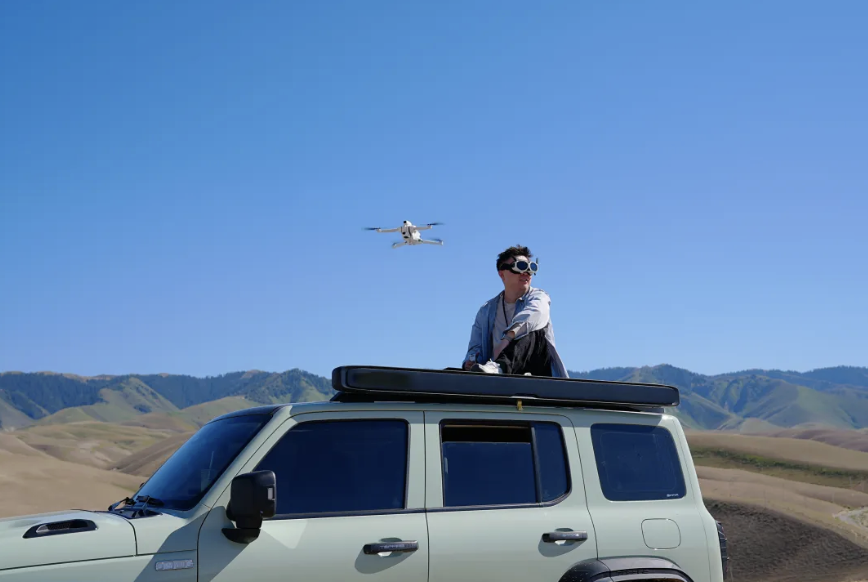
Insta360 has entered the consumer drone market with its first aircraft, priced from RMB 6,799 ($950), seeking to carve out a niche in a sector dominated by industry giant DJI by leveraging its core 360-degree camera technology to address unmet needs in aerial filming.
The new product, launched December 4 under the brand Antigravity and designated the A1 model, combines a 249-gram drone capable of 8K panoramic video with FPV-style flight controls and dual Micro-OLED display goggles. The lightweight design allows operation in most jurisdictions without pilot certification or training requirements.
The move marks a bold cross-industry expansion for the Shenzhen-based company, best known for its action cameras, directly challenging DJI on its home turf. DJI responded earlier this year by launching the Osmo 360 panoramic camera, intensifying competition between the two companies.
While Insta360 lacks DJI's scale, distribution networks, and brand recognition in aviation, the company is betting that differentiated technology can create new market opportunities rather than competing head-on with established drone specifications and pricing.
Targeting an Underserved Niche
The Antigravity A1 represents a strategic departure from conventional aerial photography drones, instead targeting the first-person view (FPV) racing drone segment with technology designed to lower barriers to entry. Traditional FPV drones deliver dynamic, high-speed footage but require extensive training and often custom assembly, limiting adoption beyond enthusiast circles.
Unlike standard drones that stabilize footage through gimbals and electronic systems, the A1's dual 360-degree cameras—positioned on top and bottom of the aircraft rather than facing forward—capture omnidirectional footage. This allows users to separate viewing angle from flight direction and extract desired perspectives in post-production, even if the intended subject moved outside the pilot's field of view during recording.
The system includes gesture-based controls that simplify flight operations, with Insta360 claiming new users can achieve competency within minutes rather than the weeks typically required for FPV proficiency. Field testing in locations from Xinjiang to Hebei province demonstrated that novice pilots could capture usable footage despite limited experience.
Post-Production Capabilities Drive Differentiation
The company's competitive advantage centers on computational photography capabilities developed over a decade in the panoramic camera market, now applied to aerial footage. The A1's software enables frame-by-frame perspective adjustments, automated subject tracking through "depth tracking" algorithms, and eight preset cinematic flight patterns including spiral ascents and orbits.
These features allow users to simulate advanced piloting maneuvers in editing that would be difficult or impossible to execute during actual flight. According to product testing, footage initially considered unusable due to operator error could be salvaged through perspective manipulation, with the software extracting alternative camera angles from the 360-degree capture.
The system also incorporates AI-assisted editing tools previously deployed in Insta360's camera products, enabling rapid video assembly suitable for social media distribution without extensive post-production expertise.
Market Positioning and Strategic Rationale
Insta360 founder Liu Jingkang has framed the drone initiative as an extension of the company's core mission to democratize advanced filming techniques, similar to how it established the standalone panoramic camera category over the past decade. That market has grown to approximately RMB 10 billion ($1.4 billion) in annual revenue.
The A1 targets users seeking immersive flight experiences and dynamic aerial footage rather than traditional landscape aerial photography, positioning it as complementary to rather than directly competitive with mainstream drones. The FPV market remains fragmented, with many users still assembling custom aircraft, suggesting potential for an accessible integrated product.
However, the RMB 6,799 starting price positions the A1 at a premium to entry-level photography drones while below professional FPV systems, creating uncertainty around mass-market appeal. The company must demonstrate sufficient differentiation to justify premium pricing for consumers unfamiliar with FPV applications.
Insta360 generated attention in mid-2025 when it announced the Antigravity brand, prompting DJI's retaliatory entry into panoramic cameras and triggering price competition in handheld imaging devices. The escalating rivalry between the two Shenzhen companies represents one of the year's most watched technology sector battles in China.