
Insta360 Prices Luna Ultra Lower in China Than US
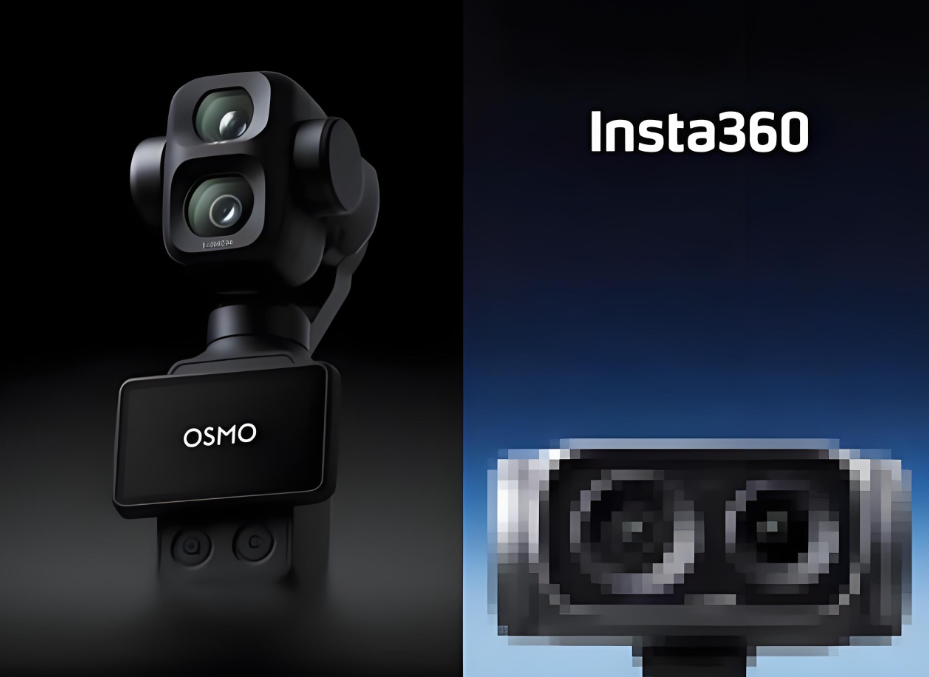
Insta360's upcoming pocket gimbal camera, Luna Ultra, has sparked controversy over its international pricing strategy after CEO Liu Jingkang confirmed on Weibo that leaked pricing information was accurate—but only for US and international markets. Chinese consumers will pay significantly less.
Confirmed Pricing Structure
The US market pricing for Luna Ultra has been set at approximately US$780 for the body-only version and around US$960 for the complete creator kit. These figures represent the official prices American buyers can expect when the product launches.
In China, the device is priced at RMB 4,899 (approximately US$673), substantially lower than US pricing. Earlier leaks from Chinese retailers had suggested promotional prices ranging between US$560 and US$620, which Liu's clarification appears to confirm as targeted domestic promotional pricing.
Market Positioning and Competition
The Luna Ultra enters a market where its primary competitor, DJI's Pocket 4 Pro, currently faces regulatory hurdles in the United States. Federal Communications Commission (FCC) regulations have reportedly prevented the DJI dual-lens pocket gimbal camera from being sold in the US market, temporarily giving Insta360 an advantage in this category.
However, according to initial reports, DJI may rebrand the Pocket 4 Pro for the US market under the name “Xtra Music Pro 2,” potentially challenging Insta360's position in the near future.
Technical Specifications
The Luna Ultra features dual Leica Summicron lenses, including a 20mm f/1.8 main lens and a 120mm telephoto lens. It incorporates a 1-inch 50-megapixel CMOS sensor for the primary camera, paired with a 1/1.3-inch telephoto secondary camera.
The device offers true optical zoom of up to approximately 3.9x, alongside 6x lossless zoom and 12x hybrid zoom capabilities. Video features include 8K recording, 10-bit iLog, and Dolby Vision HDR support.
Additional features include a detachable OLED touchscreen that doubles as a wireless remote control, an advanced three-axis gimbal with FlowState stabilization, AI tracking, Hi-Fi 48kHz 32-bit audio, and modular design elements.
Implications of the Regional Pricing Strategy
The pricing disparity reflects a common strategy among Chinese technology companies: maintaining lower domestic pricing to preserve competitiveness in the home market while maximizing margins overseas. This approach has become increasingly common as Chinese hardware brands expand internationally while defending strong positions in China.
Luna Ultra’s launch timing also coincides with regulatory challenges facing its main competitor, potentially allowing Insta360 to establish market share before DJI’s rebranded product officially enters the US market. Industry observers will be closely watching how the pricing strategy and competitive landscape affect adoption across different regions.
Related Coverage: