
Shenzhen Robotics Firm Enabot Tops 1 Million Users After Pivot to Human AI Companionship
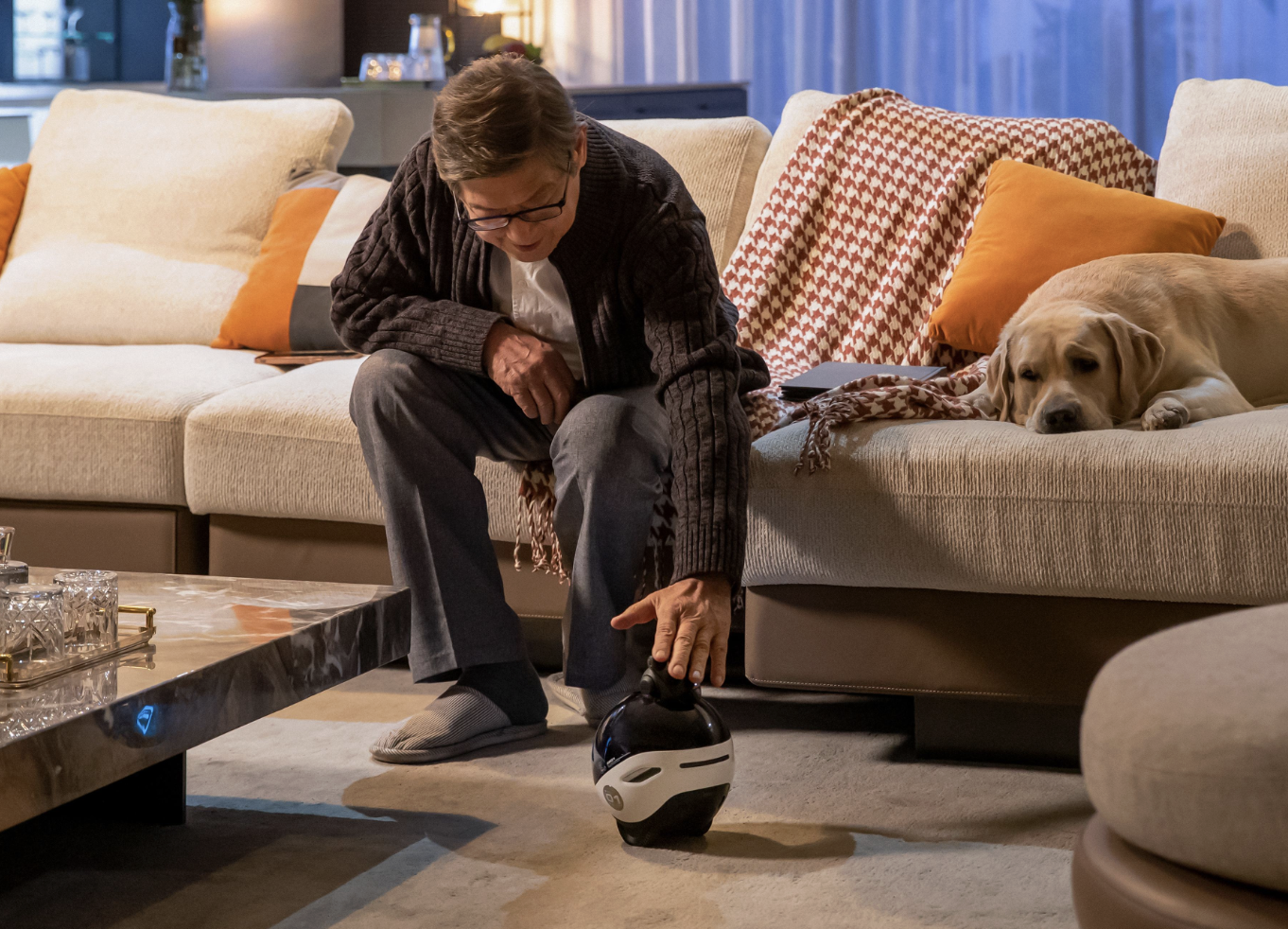
Enabot, a Shenzhen-based hardware startup backed by Sequoia China, has surpassed 1 million users globally as of September 2025, validating a strategic shift from niche pet monitoring to the broader AI-driven human companionship market. By integrating large language models (LLMs) with mobile robotics, the company has capitalized on the burgeoning "loneliness economy," successfully responding to a demand shift where hardware serves as an emotional anchor rather than just a utility tool.
The user milestone marks a significant expansion for the robotics firm, which now operates in over 160 countries and regions. The company’s growth trajectory highlights the rising commercial potential of mobile companion robots, a sector MarketsandMarkets projects will exceed US$10 billion by 2027 with a compound annual growth rate of over 17%. Enabot has secured multiple rounds of financing from top-tier investors, including Sequoia, Longfor Capital, and Unity Ventures.
This expansion reflects a broader trend among Chinese hardware exporters moving up the value chain by embedding generative AI into consumer devices. Unlike traditional static monitoring systems, Enabot’s pivot demonstrates how "electronic avatars" are being utilized to bridge social gaps, ranging from elderly care in aging societies to maintaining intimacy in long-distance relationships.
The company's transition began not by design but through user behavior. Originally established in 2018 to solve pet care issues, Enabot discovered that its initial products were being repurposed by consumers as "digital nannies" and communication tools for separated families, prompting a radical restructuring of its product development toward human-centric emotional interaction.
From Niche to Mass Market
Enabot was founded in 2018 by a team of former technology executives aiming to address the lack of interactive pet supervision tools. In December 2019, the company launched its first product, the EBO S, a tumbler-shaped mobile robot designed to navigate furniture and monitor pets. The initial launch was moderately successful, raising over RMB 2 million yuan (approx. US$275,000) via overseas crowdfunding.
However, post-launch data revealed unintentional use cases. Users were deploying the robots to check on elderly parents living alone, monitor active toddlers, and maintain contact with partners in different locations. Recognizing that the device was effectively functioning as a family member's remote avatar, the company expanded its R&D focus.
While retaining its pet product lines, Enabot developed the EBO X family robot series, specifically engineering features for human interaction. This included shifting from simple motion monitoring to incorporating AI algorithms capable of facial recognition, event reminders, and handling complex dialogue, thereby positioning the hardware as a proactive household member rather than a passive surveillance device.
Cultural Divergence in Usage
As Enabot scaled globally, it encountered distinct behavioral differences between Eastern and Western markets, necessitating a bifurcated product strategy. According to Tong Shaonan, head of branding at Enabot, the company found that cultural context dictates the definition of "companionship."
In East Asian markets, users view the robot as a "family emotional bond," prioritizing high-frequency interaction and "remote presence." To cater to this, Enabot introduced features allowing the robot to perform ceremonial tasks, such as delivering birthday greetings via eye-light displays, or conveying customized messages between family members. These features align with the region's strong focus on familial connectivity and overcoming physical distance.
Conversely, users in the United States and Europe tend to view the robot as a "virtual friend" or a "digital butler," placing a premium on privacy and boundaries. Western consumers prefer "low-intrusion" companionship, where the robot is present but not demanding of constant attention. In response, Enabot adjusted the device's behavior for these markets to act more like a discreet security guard that only intervenes when anomalies are detected, while also allowing the robot to self-diagnose technical issues to minimize data privacy concerns associated with cloud repairs.
Balancing Utility with Emotional AI
To support these varied interactions, Enabot has integrated multi-modal emotional computing and LLMs, allowing the robots to switch between six distinct personas and speak in over 20 dialects and accents. However, the company emphasizes a "rational" approach to technology adoption, avoiding the trap of simply stacking AI features without practical application.
Tong noted that the design philosophy balances "functional utility" with "emotional value." For human companionship, the device must offer remote security and event reminders while simultaneously providing natural, non-mechanical interaction. The company warns that complex learning curves or jarring AI responses can break the emotional connection users build with the device.
By focusing on refining specific scenarios—such as fall detection for the elderly or interactive play for pets—rather than pursuing an all-encompassing feature set, Enabot aims to avoid the homogenization currently plaguing the consumer robotics sector. The company maintains that as the industry shifts from tool-based usage to emotional value, success will depend on the subtlety of interaction rather than raw computing power.