
Smartphone Makers Pivot to New Form Factors as ‘Thinness War’ Hits Ceiling
The race to develop the thinnest foldable smartphone has reached a technical plateau in 2025, prompting major manufacturers to shift their strategic focus toward novel form factors and utility. While brands continue to engineer incrementally slimmer devices, the diminishing returns on consumer excitement and hardware compromises have compelled the industry to explore new growth avenues.
Market leaders like Huawei and Samsung Electronics Co. are now prioritizing tri-fold designs and wider aspect ratios to differentiate high-end offerings. This strategic pivot aims to justify the premium pricing of foldables by offering distinct productivity benefits rather than just portability.
This transition marks a critical maturity point for the sector, moving competition from hardware metrics to redefining the user experience. Investors and analysts are closely watching how this diversification will impact market share, particularly as global tech giants prepare to enter the arena with revised design philosophies.
Diminishing Returns on Hardware
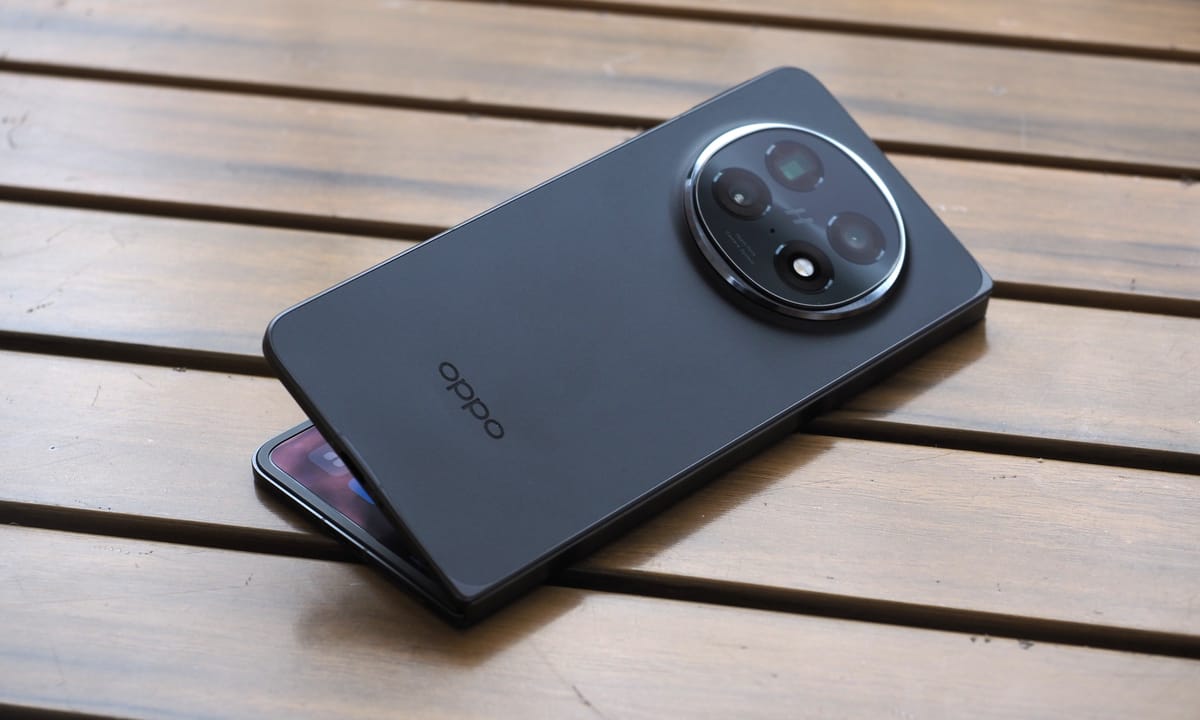
In 2025, the pursuit of ultrathin devices has delivered impressive engineering milestones. The new OPPO Find N5 from Guangdong OPPO has achieved a thickness of just 8.93mm. Similarly, flagship models from vivo and Honor have reduced device weights to roughly 217g.
These specifications effectively place foldable devices within the physical dimensions of traditional "slab" smartphones. However, the market impact of these achievements has weakened compared to previous years, as portability ceases to be a primary differentiator for consumers.
Furthermore, extreme slimness has necessitated hardware trade-offs. To manage thermal performance in constrained spaces, some devices have reduced processor core counts, while camera systems have seen compromises in sensor size and zoom capabilities compared to non-folding flagships.
Market dominance and Strategic Pauses
Despite the saturation of the "thinness" narrative, the sector continues to expand. Data from IDC indicates that China's foldable market recovered to 17.8% year-on-year growth in the third quarter of 2025 following a slump earlier in the year.
However, the market remains heavily concentrated. Huawei captured a dominant 68.9% market share in the quarter, largely driven by its diversified portfolio including the Mate X6 and Pura X.
In contrast, Xiaomi notably abstained from releasing a standard large foldable device this year. This strategic pause suggests a reluctance to compete solely on thickness, with the company likely repositioning its development pipeline for more distinct innovations in 2026.
The Rise of Tri-Folds and Wide Formats
The industry is increasingly looking toward multi-fold mechanisms to drive the next wave of adoption. Huawei has continued to refine its tri-fold Mate XTS, focusing on software ecosystems that leverage the larger screen real estate for PC-level applications.
Samsung has similarly entered this emerging sub-category with the Galaxy Z TriFold. Meanwhile, supply chain listings suggest Xiaomi is preparing its own tri-fold device, widely expected to launch in the first half of 2026.
Simultaneously, the aspect ratio of standard foldables is evolving. Huawei’s Pura X introduced a "wide-fold" 16:10 ratio, functioning more like a compact tablet than a traditional phone. Early data suggests strong consumer acceptance, with sales reportedly outpacing previous compact models.
Redefining the Category
This shift toward wider, productivity-focused screens appears to be an industry-wide trend. Reports indicate that Apple Inc.’s anticipated foldable iPhone may feature a 4:3 internal aspect ratio, aligning closer to a tablet hybrid than a conventional smartphone.
Samsung is also reportedly developing a "Wide Fold" variant for 2026, targeting a 7.6-inch display with a 4:3 ratio. These developments signal a consensus that the next phase of competition will hinge on unique display formats rather than millimeter-level reductions in thickness.