
Tencent’s Gaming Pivot Reflects Global Shift Toward Live-Service Survival
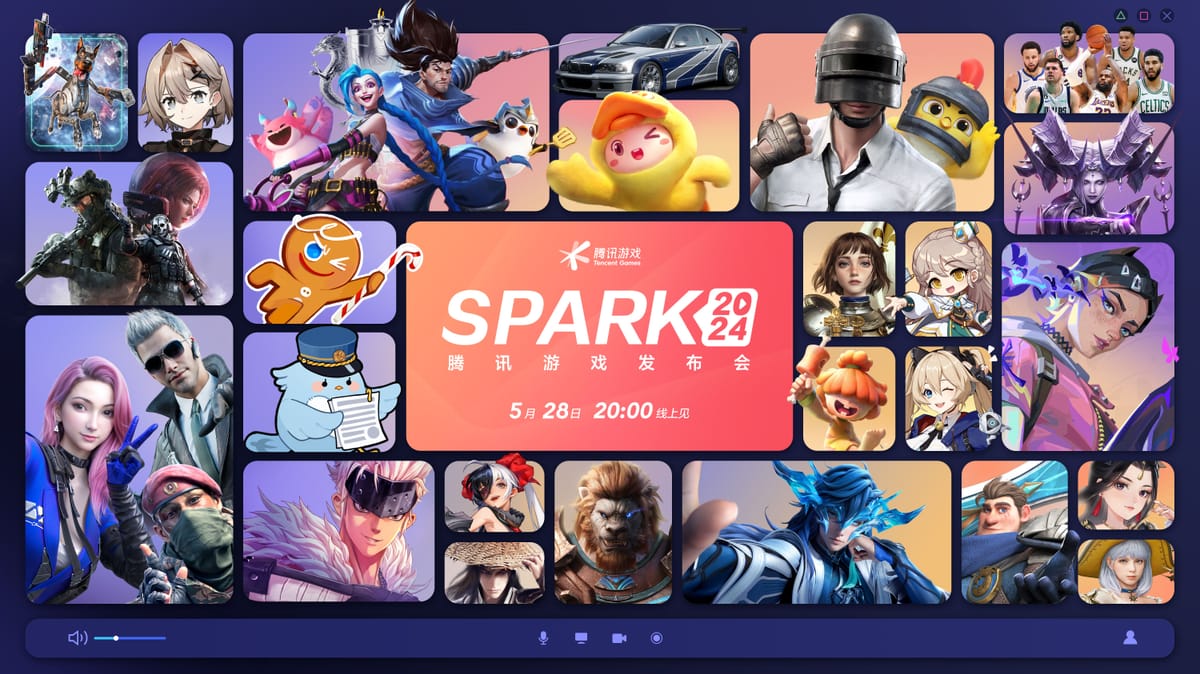
Tencent is aggressively rebalancing its gaming portfolio toward PC and console platforms while exporting its proprietary live-service infrastructure to Western developers, signaling a structural shift in the global interactive entertainment market.
At its 2026 annual gaming showcase on May 27, the Shenzhen-based tech conglomerate unveiled 42 titles, dedicating nearly half of its roster—20 games—exclusively to PC and console platforms. The cross-platform push marks a notable departure from Tencent’s identity as a mobile-first publisher, reflecting an urgent mandate to capture higher-margin core gamers.
The strategic realignment arrives at a critical juncture for the global gaming industry. As Western incumbents Sony Group Corp. and Microsoft Corp. grapple with faltering Games-as-a-Service (GaaS) initiatives and soaring development budgets, market analysts view Tencent’s showcase as a calculated maneuver to position itself as the infrastructure provider behind global DAU retention.
Soaring Development Costs Force Western Studios to Recalibrate
The macroeconomic reality of AAA game development has fractured traditional publishing models. Average development costs for top-tier titles have surged from approximately US$300 million in 2020 to US$440 million in 2026, according to industry data cited during the event. This capital-intensive environment demands extended player retention to achieve profitability, a metric where traditional console manufacturers are currently faltering.
Sony’s ambitious 2022 mandate to launch 12 live-service games within four years has yielded severe structural contractions. The Japanese hardware giant recently witnessed the collapse of high-profile GaaS projects from Naughty Dog and London Studio, culminating in the unprecedented 14-day shutdown of the multi-million dollar shooter Concord. Concurrently, Bungie, a key Sony acquisition, executed consecutive layoff rounds eliminating nearly 50% of its workforce while terminating support for core franchises.
Microsoft has similarly recalibrated its strategy amidst plateauing Xbox Game Pass subscription growth. Following aggressive consolidation—including the $69 billion acquisition of Activision Blizzard—Xbox leadership under Asha Sharma pivoted its core Key Performance Indicator (KPI) from subscription volume to DAU in April 2026. This metric shift underscores a belated Western recognition of the free-to-play retention frameworks that Chinese publishers have optimized for over a decade.
Tencent Exports GaaS Architecture to Global Partners
Capitalizing on this systemic vulnerability, Tencent is transitioning from a regional distributor to a global infrastructure partner. The 2026 showcase featured 16 international developers among its 29 presenters, illustrating a deep integration with Western studios seeking sustainable monetization architectures.
Rather than merely licensing intellectual property, Tencent is directly managing the complex backend ecosystems for foreign AAA titles. Ubisoft Entertainment SA has entrusted Tencent with the domestic publishing, underlying anti-cheat protocols, and matchmaking restructuring for Rainbow Six. Similarly, Grinding Gear Games is leveraging Tencent’s analytics to navigate the free-to-play transition for Path of Exile 2, while Digital Extremes is utilizing Tencent’s mobile deployment expertise to scale Warframe across platforms.
Foreign studios are also increasingly tailoring premium content to secure Tencent’s ecosystem advantages. Remedy Entertainment Plc announced full localized voice acting for Control, while Ubisoft showcased a dedicated Chinese build for Assassin's Creed: Black Flag, indicating that integration with the Chinese market is now a prerequisite for global AAA ROI.
Deploying Artificial Intelligence to Drive Player Engagement
In stark contrast to the Western gaming sector—where generative AI has triggered labor strikes and consumer backlash over the replacement of creative assets—Tencent is deploying AI strictly as a retention multiplier.
The company demonstrated nine proprietary AI applications focused entirely on user experience optimization. Innovations include dynamic AI teammates in Peacekeeper Elite, interactive AI companions in Honor of Kings, and machine-learning anti-cheat training modules. Tencent also unveiled specialized AI projects including the rendering solution MagicDawn and the AI gaming creation platform Code: Craft, signaling a capital expenditure focus on lowering user-generated content barriers rather than automating core narrative design.
Diversifying Genres to Capture Niche Audiences
To insulate its revenue streams from hyper-competitive mass markets, Tencent is aggressively fragmenting its pipeline to capture specialized demographics. The company is funding niche extraction shooters like Arena Breakout and Delta Force, establishing dominance in sub-genres before they reach mainstream saturation.
This granular approach extends to the saturated anime gaming sector. Titles like Chaos Dream integrate deck-building and Roguelike mechanics, while Virtual Ring targets the localized VTuber demographic, abandoning the industry-standard gacha-RPG formula. Furthermore, subsidiaries like MoreFun Studios are embedding complex modern Chinese narratives into live-service frameworks with titles like The Outcast, proving that Tencent is scaling its cultural export capabilities alongside its technical infrastructure.
Ultimately, the 2026 showcase confirms that the bifurcation between Eastern live-service operations and Western AAA development is dissolving. As global studios converge on DAU as the ultimate metric of survival, Tencent’s decade-long monopoly on live-service "soil" positions it to dictate the operational standards of the industry's next decade.
Related Coverage:
Tencent Cements Mobile Gaming Dominance as Chinese Publishers Capture 43% of Global Revenue