
Xiaomi Accelerates EV Push to Challenge Tesla in 2026
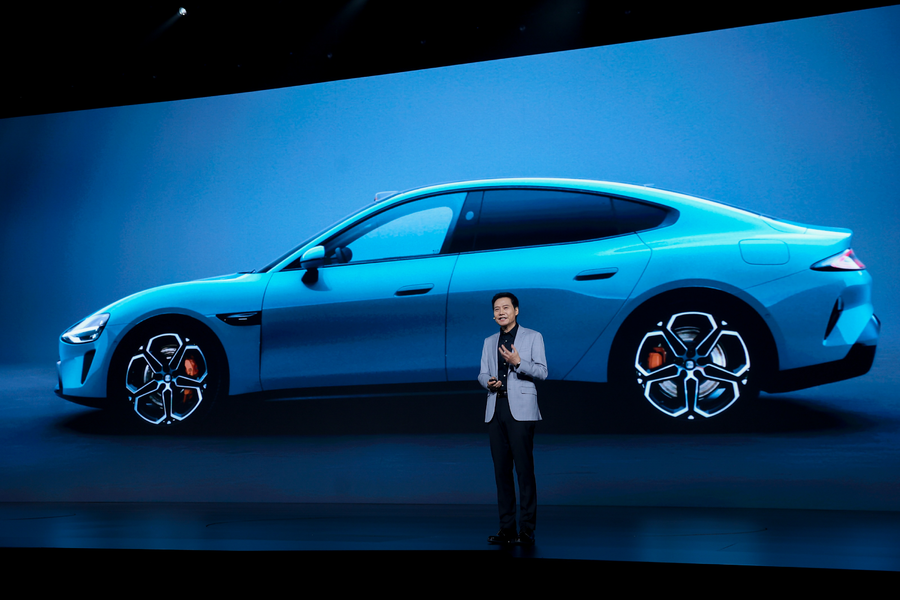
Xiaomi is aggressively repositioning itself from a consumer electronics giant to a tier-one automotive disruptor, setting a 550,000-unit delivery target for 2026 that directly threatens Tesla's stalling momentum in the world's largest electric vehicle market.
The shifting power dynamic in China's EV sector is evidenced by stark volume trajectories. Tesla closed 2025 with approximately 625,000 retail units in China, marking a nearly 5% year-over-year decline. In contrast, Xiaomi delivered 411,000 units in 2025, riding the momentum of its SU7 sedan and setting the stage for aggressive expansion.
Market analysts note that the competition is moving beyond product specifications into organizational restructuring. Xiaomi recently appointed Kong Yanshuang, former General Manager of Tesla China, to oversee its sales operations. Furthermore, industry reports indicate that Song Gang, instrumental in ramping up Tesla's Giga Shanghai, is transitioning to Xiaomi. These executive shifts signal a strategic pivot by the Chinese manufacturer to target Tesla's core operational playbooks.
Executing Rapid Product Matrix Expansion
While Tesla maintains long lifecycles for its Model 3 and Model Y, Xiaomi is deploying a high-frequency product matrix strategy to capture fragmented consumer demand. Following the volume ramp-up of the SU7, the introduction of the YU7 SUV demonstrates a rapid deployment model intended to hedge single-product lifecycle risks.
This cadence capitalizes on growing consumer fatigue with stagnant designs. Chinese consumers increasingly expect continuous hardware and design iterations, a demand that traditional automakers and Tesla have struggled to meet with agility.
Leveraging Ecosystem Pricing Power
Xiaomi has firmly anchored its product positioning in the RMB 200,000 to RMB 300,000 (US$28,985 to US$43,478) segment. Instead of engaging in a pure price war, the company employs an ecosystem strategy—integrating vehicles with its vast network of smartphones, wearables, and smart home appliances. This interconnected user experience creates high switching costs and robust brand loyalty.
By offering features typically found in the RMB 400,000 (US$57,971) tier at a lower price point, Xiaomi is compressing the premium market's profit margins. This approach forces competitors to re-evaluate their value propositions, as Xiaomi leverages its existing nationwide retail footprint to acquire customers at a fraction of the cost incurred by traditional auto startups.
Navigating Production Bottlenecks
Despite strong order books, Xiaomi's primary hurdle in 2026 remains supply chain stability and manufacturing capacity. Extended wait times, sometimes stretching up to a year, pose a significant risk to consumer retention. The successful onboarding of manufacturing veterans like Song Gang is critical for smoothing the production ramp-up at Xiaomi's facilities.
Long-term viability also depends on brand endurance. While Xiaomi currently enjoys a "new entrant" premium driven by the personal influence of founder Lei Jun, the company must prove it can survive industry downcycles. Pushing into the ultra-premium segment above RMB 400,000 (US$57,971) will test the brand's elasticity against Tesla's established global cachet and its Full Self-Driving (FSD) technology narrative.
Ultimately, the battle in 2026 hinges on execution. If Xiaomi can align its manufacturing output with its marketing velocity, a structural realignment of China's EV hierarchy is imminent.
Related Coverage:
Xiaomi’s Upgraded SU7 EV Secures 15,000 Orders, Accelerating AI Ecosystem Push
Xiaomi Unveils Upgraded SU7 Electric Sedan With Enhanced Platform and Extended Range