
Xiaomi Takes On Apple With Low-Priced 17 Max
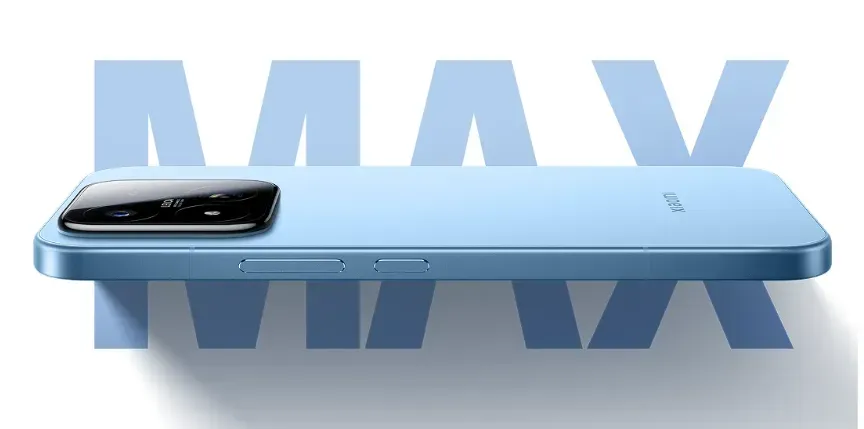
Xiaomi launched its flagship 17 Max smartphone at an aggressive base price of RMB 4,799 (US$666), utilizing highly localized display technology and a massive silicon-anode battery to undercut premium rivals in a fiercely competitive 2026 Chinese consumer electronics market.
The release marks a strategic pivot from purely spec-driven upgrades to deep domestic supply chain integration. The device features a custom full-RGB OLED panel exclusively supplied by TCL China Star Optoelectronics Technology (TCL), signaling a structural shift as Chinese smartphone makers diminish their reliance on South Korean display giants for top-tier flagship components.
Initial industry feedback highlights the disruptive nature of Xiaomi's pricing, which is further softened by ongoing state-backed consumer electronics trade-in subsidies. By offering a 6.9-inch device equipped with Qualcomm Inc.’s Snapdragon 8 Elite processor for under US$700, Xiaomi is establishing a new price-to-performance floor for the high-end segment, compressing margins across the broader industry.
Driving Localized Supply Chain Integration
The Xiaomi 17 Max utilizes a 6.9-inch display featuring a "Super Pixel" full-RGB lossless arrangement. Co-developed with TCL, the technology circumvents traditional pentile matrix limitations, delivering 2K-equivalent clarity with lower power consumption. For investors monitoring the display sector, this exclusive procurement contract indicates Chinese panel makers are successfully capturing higher-margin flagship orders through customized R&D.
Furthermore, Xiaomi integrates an 8,000mAh "Jinshajiang" battery, achieving an energy density of 894Wh/L through a 16% silicon-content anode. This material advancement allows the device to maintain an 8.2mm profile and 225g weight despite the expanded capacity. The rapid commercialization of high-silicon batteries in mobile devices suggests accelerating maturity in next-generation energy storage supply chains, directly benefiting domestic battery material suppliers.
Pressuring Rivals Through Deflationary Pricing
Starting at RMB 4,799 for the 12GB RAM and 256GB storage variant, and capping at RMB 5,799 (US$805) for the 16GB/512GB model, the pricing structure applies immediate pressure on competitors. Xiaomi explicitly targeted Apple Inc. in its marketing, claiming the 17 Max’s battery life outlasts two iPhone 17 Pro Max units combined, leveraging Android-side power optimization and LTPO variable refresh rates.
The device also incorporates a 200-megapixel primary sensor equipped with customized Leica optics and multi-frame fusion algorithms, alongside a 1/2-inch periscope telephoto lens supporting 6x lossless zoom. Powered by the fifth-generation Snapdragon 8 Elite and supported by a ring cold pump cooling system—capable of running heavy-load applications like Genshin Impact at maximum frame rates for 5.7 hours—the hardware configuration is typically reserved for devices priced 30% higher.
Supported by 100W wired charging and universal PPS protocols, Xiaomi’s aggressive bundling of premium hardware indicates a strategic willingness to compress hardware margins to consolidate high-end market share in 2026.
Related Coverage:
Xiaomi Unveils Flagship 17 Series With New Snapdragon Chip and Secondary Rear Displays