
Xiaomi’s Q4 Growth Rests on EVs as Smartphone and IoT Profits Squeeze Under Subsidy Pullback
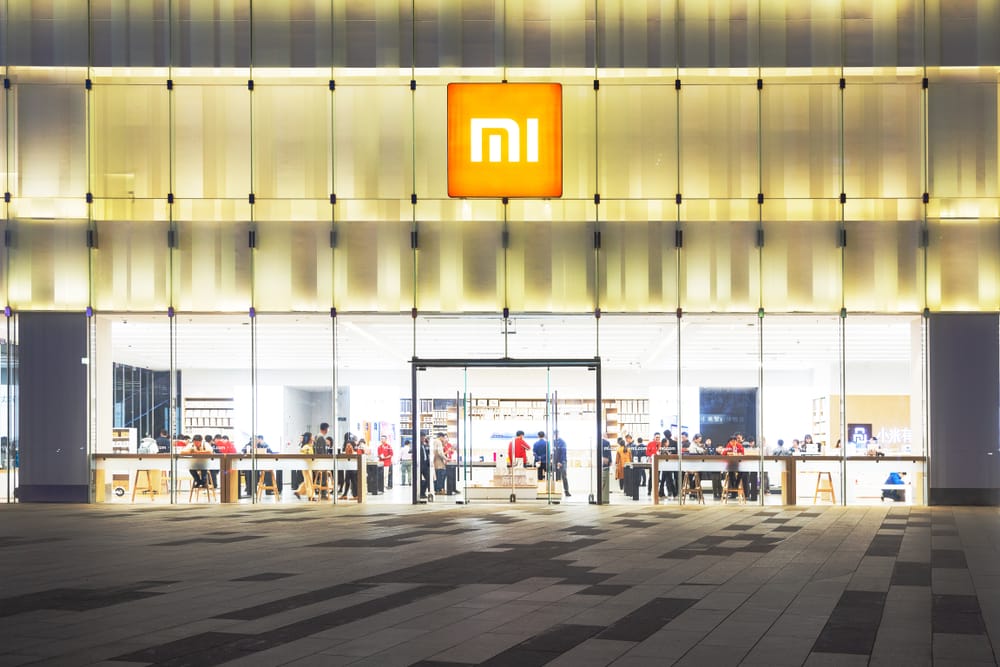
Xiaomi ended 2025 with headline revenue growth that masked a deeper pivot: its nascent electric-vehicle business carried the quarter while the legacy smartphone and AIoT segments shrank and lost margin, raising the stakes for 2026 delivery targets and product cadence.
The Hong Kong-listed company reported fourth-quarter revenue of RMB 116.9 billion (US$16.24 billion), up 7% year-on-year, after the market close on March 24, 2026. The expansion came entirely from EVs, while the combined smartphone and AIoT segment fell 13.7%, according to the release and accompanying analysis.
Early market positioning has increasingly treated Xiaomi as an auto-led story, but the quarter highlighted a near-term contradiction: EV profitability is improving, yet demand indicators are cooling just as hardware margins face fresh pressure from memory costs and a tightening of China’s consumer subsidy programs.
EV Deliveries Drive Growth While Order Momentum Tests 2026 Target
Xiaomi’s “smart EV and other new initiatives” generated RMB 37.2 billion (US$5.17 billion) in quarterly revenue, driven by vehicle shipments of 145,000 units. Average selling prices slipped to about RMB 250,000 (US$34,722) as the mix shifted away from the higher-priced SU7 Ultra and as the company sold some in-stock display vehicles.
EV gross margin fell to 22.7% from the prior quarter, slightly below a 23% market expectation. Even so, the EV unit delivered an estimated core operating profit of RMB 1.05 billion (US$146 million), marking a second consecutive profitable quarter—an important proof point for investors who have been funding Xiaomi’s auto buildout through a re-rating of its equity story.
The bigger question shifts from supply execution to demand durability. Early-2026 sales in January and February suggest backlogged orders have largely been absorbed. Weekly new orders were reported around 4,000 units by early March—implying fewer than 20,000 new orders per month—while the YU7 delivery wait time shortened to roughly 10 weeks, closer to normal lead times and consistent with a market moving from undersupply toward oversupply.
Xiaomi maintained a 2026 delivery target of 550,000 vehicles. With order flow weakening and the latest SU7 refresh framed as a mid-cycle update with modest pricing changes and a 5–6 month delivery estimate, hitting that target would likely require stronger follow-on products to expand demand rather than merely converting existing interest.
Smartphone Margin Drops to Single Digits as Competition and Memory Costs Bite
The smartphone division posted revenue of RMB 44.3 billion (US$6.15 billion), down 13.6% year-on-year. Smartphone gross margin sank to 8.3%, reflecting intensified competition, lower overseas ASP, and higher component costs, particularly memory. The analysis also flagged a tightening subsidy environment in China, adding a demand-side headwind that compounds cost inflation.
Domestic shipments fell 18.2% YoY, and Xiaomi’s China market share dropped to 13.2%, down 2.8 percentage points. Overseas shipments declined 8.8%, with share down 1.2 points, while rivals reportedly leaned into aggressive pricing and feature strategies.
IoT Revenue Slides as Subsidy Tightening Hits Big Appliances
IoT revenue fell 20% to RMB 24.6 billion (US$3.42 billion). The decline was primarily due to the roll-back and tightening of China’s consumer subsidy programs, which in some regions shifted toward quota-based “coupon grabbing” or lotteries.
The impact was most visible in large appliances, where subsidies could reach RMB 1,000–2,000 (US$139–278) per unit. That category saw roughly a 40% quarter-on-quarter decline, turning what had been an ecosystem growth lever into a drag on the broader hardware narrative. IoT gross margin fell to 20.1%, down 2.8 percentage points quarter-on-quarter.
Internet Services Offset Hardware Weakness but Remain Tied to Device Volumes
Internet services revenue rose 6% to RMB 9.9 billion (US$1.38 billion), slightly ahead of expectations. Advertising was the main driver, with ad revenue reaching RMB 7.8 billion (US$1.08 billion), up 10.5%, supported by Xiaomi’s distribution and pre-install channels.
MIUI users grew 7% YoY, but ARPU fell 1%, highlighting that monetization gains are not fully keeping pace with user growth. Overseas internet revenue increased to RMB 3.66 billion (US$508 million), while domestic internet revenue was about RMB 6.23 billion (US$865 million), indicating continued traction abroad even as overseas hardware revenue weakens.
For investors, the segment remains a stabilizer rather than a replacement engine, as revenue still depends on an expanding installed base of phones and connected devices—precisely where Xiaomi now faces volume and margin pressure.
Profit Mix Shifts as EV Profitability Improves and Legacy Earnings Shrink
Overall gross margin slipped to 20.8%. Core operating profit was about RMB 3.2 billion (US$444 million), implying a core operating margin of 2.7%.
Legacy businesses generated core operating profit of roughly RMB 2.14 billion (US$297 million), while EVs contributed RMB 1.05 billion (US$146 million). Legacy core profit was down 68% YoY, pressured by smartphone margin compression and the IoT demand shock from subsidy tightening.
That dynamic helps explain why the company’s share price has fallen from around HK$60 to near HK$30: the market is increasingly discounting the sustainability of the legacy cash engine while demanding faster evidence that EVs can scale without eroding margin and without relying on backlog conversion.
Related Coverage:
Xiaomi Sets March 19 Launch for 2026 SU7, Betting 800V Upgrade Can Defend Pricing Power
Xiaomi Advances EV Ambitions with EREV SUV and Sedan Refresh After 500,000 Unit Milestone