
Xpeng Upgrades Mass-Market MONA M03 with Turing AI Chip
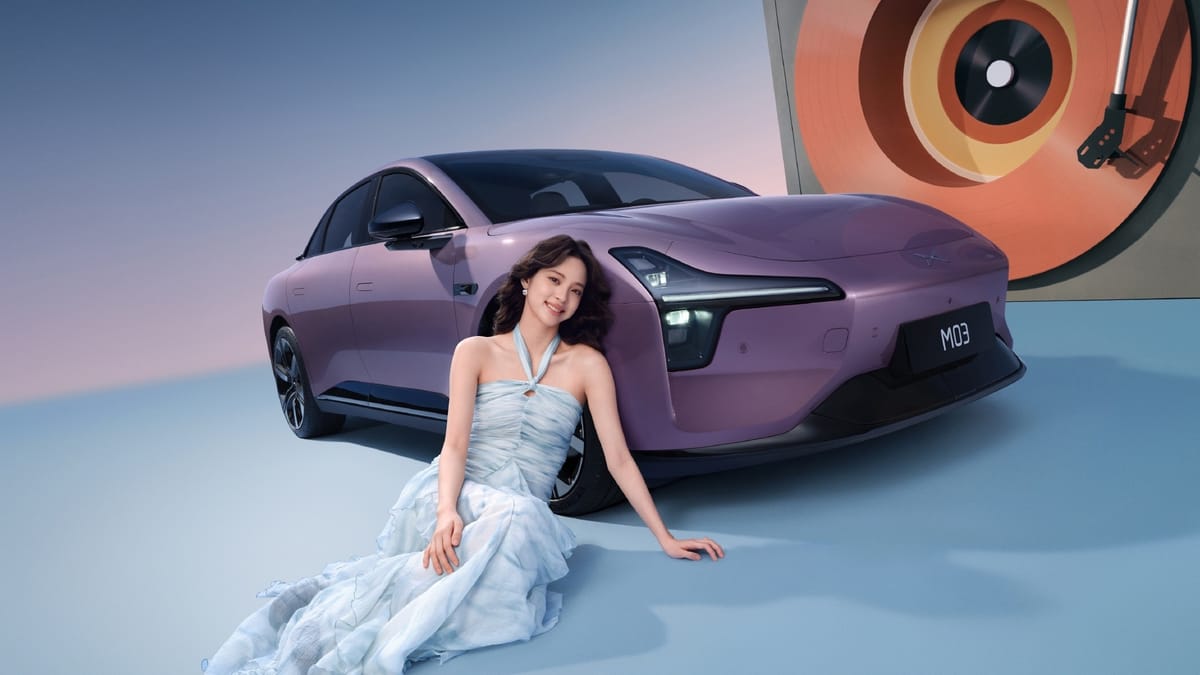
Xpeng targets 2026 youth market with major MONA M03 refresh, featuring proprietary silicon and chassis overhauls to solidify its AI-defined vehicle strategy.
Xpeng has unveiled a significant technical and aesthetic refresh of its mass-market MONA M03 sedan for the 2026 model year, aggressively moving its proprietary computing architecture down-market to consolidate its position in China's hyper-competitive entry-level EV sector.
The Guangzhou-based automaker confirmed that the 2026 model has begun arriving at showrooms nationwide. The launch is underscored by a marketing campaign featuring celebrity cellist and actress Ouyang Nana, signaling a strategic pivot to capture a younger, tech-native demographic that prioritizes digital cockpit experiences alongside traditional driving dynamics.
While the exterior updates focus on visual appeal, the critical development for investors lies under the hood: the integration of Xpeng's proprietary silicon into its budget-friendly lineup, a move likely designed to amortize R&D costs across higher volume sales.
Proprietary Silicon Enters Mass Market
The standout feature of the 2026 refresh is the inclusion of the "Turing AI Chip" in the Max version of the MONA M03. This marks a strategic milestone for Xpeng in 2026, as the company transitions from relying on third-party suppliers like NVIDIA for its lower-tier models to deploying its in-house developed silicon.
By equipping the mass-market MONA series with the Turing chip, Xpeng is attempting to standardize high-level autonomous driving capabilities across its fleet. This vertical integration allows for tighter software-hardware optimization, crucial for the company’s "AI-defined vehicle" roadmap. For the consumer, this translates to advanced ADAS (Advanced Driver Assistance Systems) capabilities previously reserved for premium P-series or G-series models, now accessible in the entry-level segment.
Chassis and Powertrain Overhaul
Beyond the digital architecture, the 2026 model addresses mechanical fundamentals. Xpeng reports comprehensive upgrades to the vehicle's "Three Electrics" system (battery, motor, and electronic control), chassis tuning, and safety structures.
These mechanical updates suggest Xpeng is responding to market feedback regarding driving dynamics in the budget segment. By refining the chassis and powertrain efficiency, the company aims to differentiate the M03 from the commoditized "ride-hailing" image often associated with entry-level electric sedans, positioning it instead as a performance-oriented daily driver for private owners.
Targeting the Gen Z Demographic
The commercial strategy for the 2026 MONA M03 relies heavily on aesthetic differentiation. The refresh introduces new exterior color options and a completely redesigned interior, which the company claims offers "class-leading" material quality. The partnership with Ouyang Nana is a calculated move to align the brand with "sunshine" and "travel" themes, attempting to soften the hard-tech image Xpeng typically projects.
With showroom units now available for inspection, immediate market reaction will hinge on whether the addition of the Turing chip and improved interior materials will result in a price hike, or if Xpeng will maintain aggressive pricing to secure market share in the saturated 2026 landscape.
Related Coverage:
Xpeng Launches Robotaxi Unit for 2026 Commercial Rollout
XPeng Bets Big on Physical AI as Q1 Sales Slump Exposes Execution Gaps