
Chinese BCI Stocks Surge on Musk’s Neuralink Ambitions Despite Commercialization Uncertainties
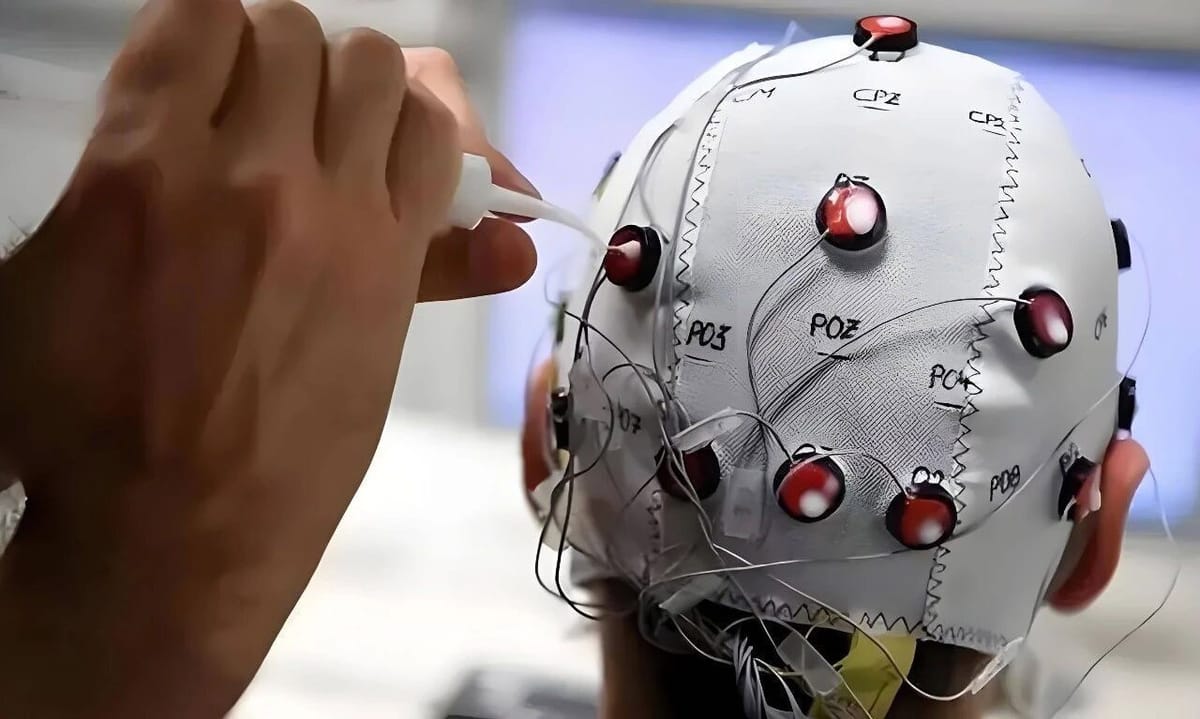
Chinese stocks linked to brain-computer interface (BCI) technology surged to start 2026, driven by Elon Musk's aggressive mass-production targets. However, market observers caution that the sector's valuation may be outpacing the actual timeline for technological maturity and commercial viability.
The catalyst for the rally was a December 31, 2025 announcement by Musk regarding his company, Neuralink. In a social media post, Musk declared plans to initiate mass production of BCI devices in 2026, alongside the implementation of a "more streamlined and almost completely automated surgical process." He claimed that new electrode threads could penetrate the dura mater without requiring excision, significantly reducing trauma, while automated robotics could compress surgery times from six hours to under 20 minutes and slash implant costs from millions to under US$10,000.
Investors responded immediately on the first trading day of 2026. The A-share BCI sector index jumped 13.7%, with total transaction volume breaking through RMB 62.6 billion yuan (US$8.6 billion). The rally triggered a wave of limit-up suspensions across the board, signaling a release of pent-up demand for exposure to neurotechnology assets.
This article synthesizes market data and industry analysis originally published by "Amino Observation" via the 36Kr platform. While the market reaction highlights investor optimism, the underlying report emphasizes a distinct gap between capital market enthusiasm and the intricate, slow-moving reality of neuroscientific engineering and clinical validation.
A Broad Market Rally
The surge in valuation was widespread across Chinese medical and technology companies associated with BCI development. Beoka led the sector, hitting a 30% trading limit. Several other major players, including Sanbo Brain Hospital, Xiangyu Medical, and Vishee Medical, recorded gains of 20%.
Other concept stocks, such as Biotest Biotech and Guangdong Dowstone Technology also saw significant price increases. The market movement reflects a direct correlation between Musk’s projection of a scalable, low-cost BCI future and the repricing of Chinese supply chain and medical service providers potentially involved in similar technologies.
The Disconnect Between Hype and Science
Despite the robust trading activity, industry analysis suggests the current "hype" may be premature. The sector remains firmly in the clinical validation phase. Invasive BCI solutions are still grappling with long-term safety verification, while non-invasive alternatives face challenges in signal precision.
According to the analysis, the path to commercialization involves distinct hurdles that capital markets may be overlooking. While Musk’s demonstration in 2021—featuring a monkey typing "I want a snack" via mind control—proved the concept of extracting motor commands, restoring sensory input remains a significantly higher barrier. Currently, there is no evidence that neural implants can effectively recreate sensory systems beyond basic signal recording. The most successful commercial application to date remains the cochlear implant, which converts sound to electrical signals, yet this is a mature technology compared to the nascent state of direct cortical interfaces.
Engineering and Bandwidth Bottlenecks
The primary challenge facing the industry is the sheer complexity of the human brain. The cerebral cortex has a volume of approximately 500,000 cubic millimeters, containing roughly 20 billion neurons. A single cubic millimeter of cortex contains about 40,000 neurons, alongside nearly a meter of capillaries and an equal number of glial cells.
Engineers face the daunting task of capturing precise signals from specific neuron cell bodies within this dense biological environment. While invasive interfaces offer better signal quality than non-invasive ones, they require high-bandwidth cabling to transmit the massive amounts of data generated.
Furthermore, the "Moore’s Law" of brain-computer interfaces moves slowly. Statistical data indicates that the number of neurons that can be simultaneously recorded doubles only every 7.4 years. At this rate, recording one million neurons simultaneously would not be achievable until the year 2100, and recording the entire human brain would theoretically take until 2225. This bandwidth limitation represents a critical bottleneck for both academic research and industrial breakthroughs.
Long-Term Outlook
The potential applications for BCI technology are transformative, particularly for patients suffering from epilepsy, Parkinson’s disease, and spinal cord injuries causing paralysis. For conditions like ALS or stroke where traditional drugs and surgery offer limited relief, BCI offers a revolutionary possibility of functional substitution—bypassing damaged nerves to connect the brain directly to external devices.
However, the report concludes that the transition from scientific breakthrough to mass consumer application is a long road involving ethical, philosophical, and regulatory complexities. While the 2026 market opening has been defined by optimism, the realization of these technologies will require sustained policy support, capital patience, and incremental technical problem-solving rather than immediate explosive growth.