
5 Cheapest EVs You Can Buy in China (and Why They’re So Cheap)
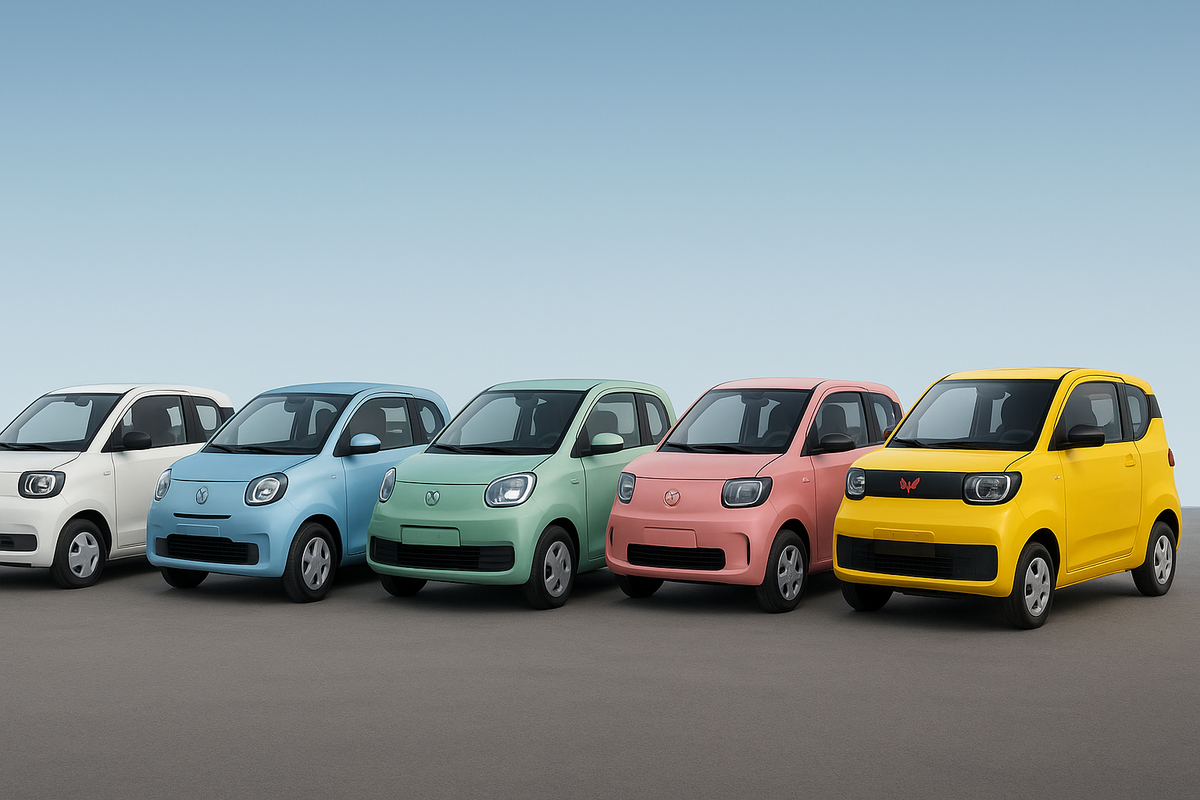
China has become the world’s largest electric vehicle (EV) market, producing everything from luxury EVs that rival Tesla to ultra-budget mini cars. For international readers, the ultra-low prices of some Chinese EVs are often shocking. So, let’s break down the five cheapest EVs you can currently buy in China—and more importantly, why they’re so cheap.
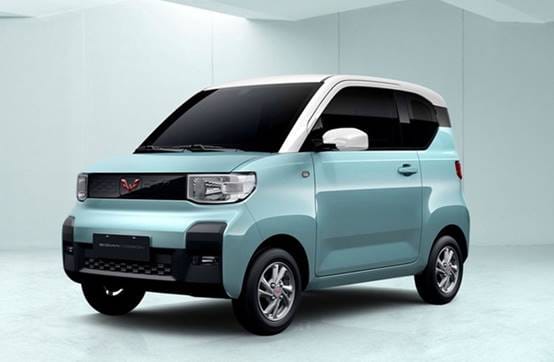
1. Wuling Hongguang Mini EV (2022 Light Edition)
Starting price: ~¥23,900 (≈ $3,300)
Specs: 120 km range, 6.5h slow charging, compact 2.9m length.
Why it’s popular: It’s the undisputed king of cheap EVs, with nearly 30,000 units sold monthly. Despite its bare-bones features, it’s reliable for daily city driving.
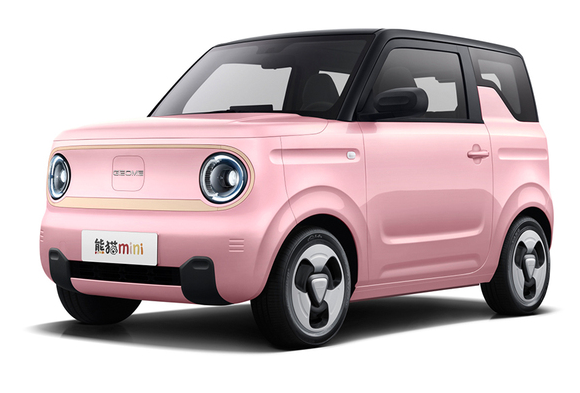
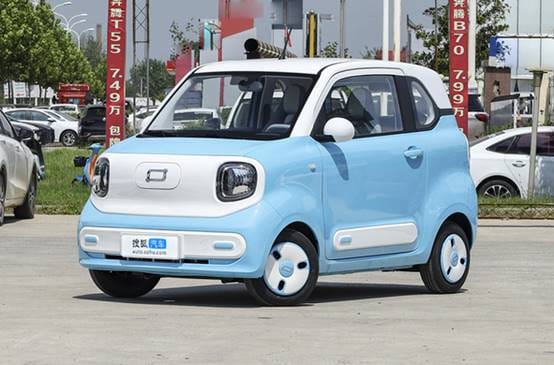
2. Geely Panda EV (2023 Asian Games Edition)
Starting price: ~¥28,900 (≈ $4,000)
Specs: 120 km range, 5h slow charging, optional 8-inch screen, remote app control, and wireless phone integration.
Why it’s popular: Strong sales (≈17,000 units monthly) show buyers love the mix of affordability and fun design. Faults are minimal and mostly in non-critical electronics.
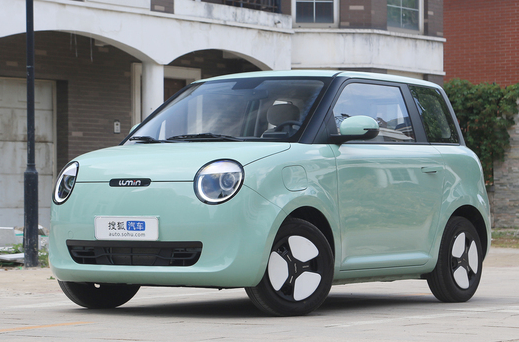
3. Changan Lumin (2024 “Qingyue” Edition)
Starting price: ~¥36,900 (≈ $5,100)
Specs: 130 km range, CATL LFP battery, optional extras like LED daytime running lights and hidden door handles.
Why it’s popular: With sales of 12,000 units per month, it offers better styling and options while still keeping the entry price ultra-low.
4. Bestune Pony (2024 Cute Pony Edition)
Starting price: ~¥24,900 (≈ $3,500)
Specs: 122 km range, 5.2h slow charging, basic features, no mobile app for entry trim.
Why it’s popular: A surprise contender that wins on sheer affordability. Monthly sales are over 7,000 units, proving that many buyers prioritize price over brand prestige.
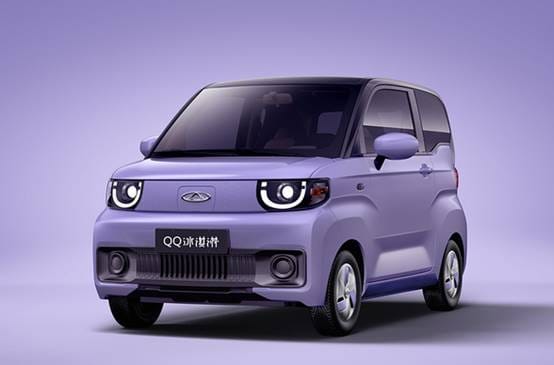
5. Chery QQ Ice Cream (2025 Sundae Edition)
Starting price: ~¥32,900 (≈ $4,600)
Specs: 155 km range, Guoxuan LFP battery, app connectivity, basic city EV design.
Why it’s popular: A trusted Chery badge in the budget EV space, with around 3,400 monthly sales. It’s seen as a slightly more “premium” choice in this low-price tier.
Why Are Chinese EVs So Cheap?
Battery Costs: China controls most of the world’s LFP battery supply chain, which is cheaper and safer than nickel-based batteries.
Mass Production: Automakers like SAIC-GM-Wuling, Chery, and BYD benefit from huge domestic demand that lowers per-unit costs.
Government Support: Subsidies, tax breaks, and infrastructure support have historically lowered EV prices.
Design for Short Trips: Many budget EVs aren’t built for long highway driving—just daily urban commutes, which keeps costs low.
Minimal Features: Basic interiors, limited safety gear, and smaller battery packs all cut expenses.
The Trade-offs
While these EVs are cheap and practical, they come with limitations:
Short ranges (120–155 km) make them unsuitable for long trips.
Safety and comfort features are minimal.
Limited resale value compared to larger, export-ready EVs.
Takeaway
China’s cheapest EVs are less about performance and more about accessibility. For many first-time car buyers in smaller cities, these cars are affordable, practical, and good enough for short commutes. While they might not meet Western safety or comfort standards, they show how China has democratized EV ownership on a massive scale.