
China’s Infiforce Inks Record $36M Deal, Pushing Application-First Embodied AI
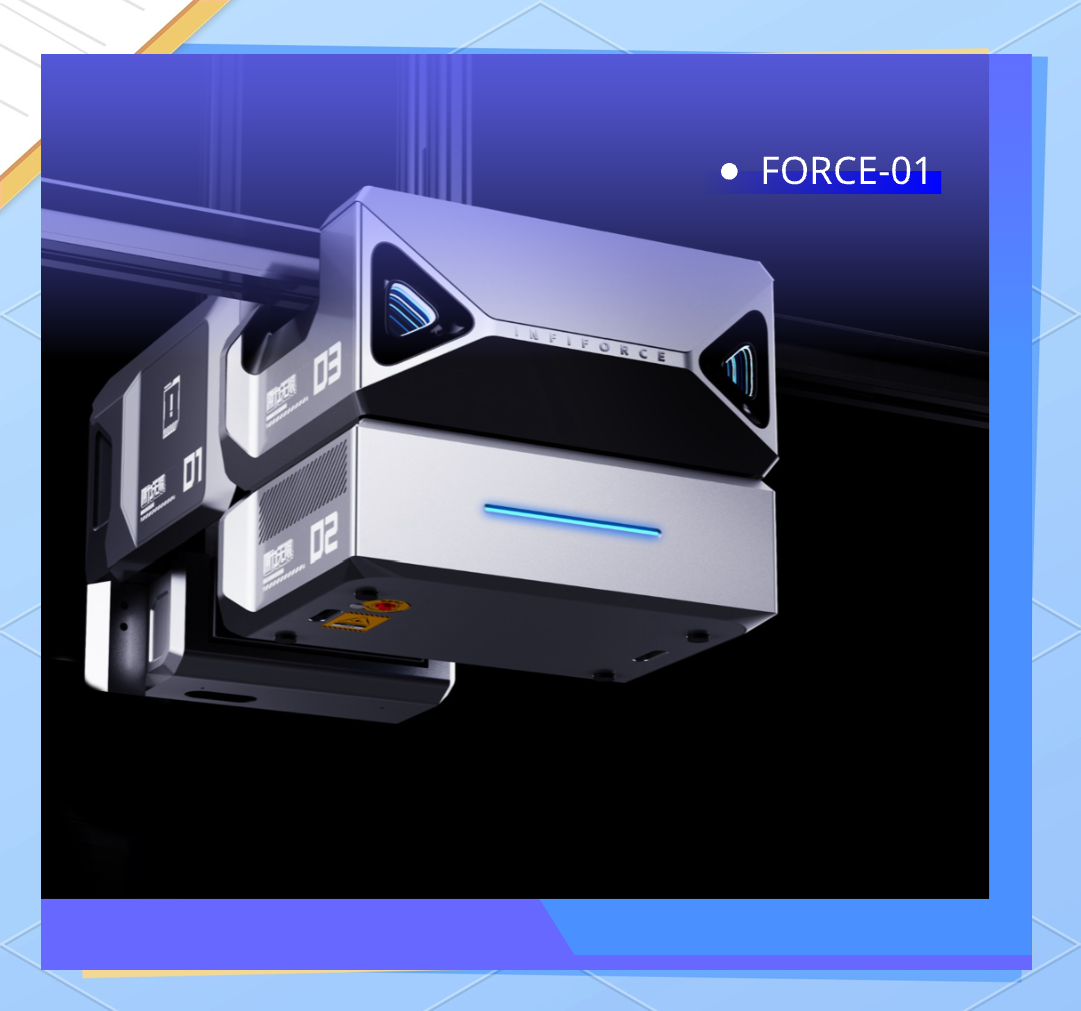
Infiforce Technology has landed the world's largest-ever single commercial order for embodied artificial intelligence, a landmark deal that signals a strategic shift in the industry toward practical application over pure technological advancement. The nearly $36 million agreement validates a business model focused on solving specific, real-world problems, positioning the Chinese startup as a key player in the race to commercialize next-generation robotics.
The company, Infiforce Intelligent Technology (Hangzhou), signed a strategic cooperation agreement this month with Shi Hua Cultural & Tourism Holding Group valued at 260 million yuan ($36.1 million). The deal solidifies the market’s growing appetite for AI that moves beyond the digital realm and into the physical world to perform tangible tasks.
Under the agreement, the two companies will collaborate on a "robotics + cultural tourism" strategy, aiming to build China’s first batch of smart scenic areas powered by embodied AI. This initiative will focus on system-wide innovations in smart navigation, interactive visitor experiences, operational services, and digital management.
The deal highlights the success of Infiforce’s application-driven philosophy, which has already been proven in the electric vehicle charging sector. For investors, it underscores the commercial viability of embodied AI when tethered to clear market needs, suggesting that the most promising path to profitability lies in identifying and resolving existing operational bottlenecks rather than developing technology in a vacuum.
Solving the 'Application Gap'
For years, the commercialization of embodied AI has been hampered less by a "technology gap" and more by an "application gap." Many companies have operated on a "hammer looking for a nail" logic, developing advanced technology without a clear use case. This approach often leads to pilot projects that fail to scale.
Infiforce argues the key to mass adoption is to start with a genuine, unmet pain point. The company’s strategy pivots away from a tech-first mindset toward a problem-first approach, a philosophy that is now gaining significant commercial traction. This focus on real-world scenarios is proving to be a more effective path to industrialization.
Proof of Concept: The EV Charging Revolution
A prime example of this strategy is Infiforce's solution for the frustrating EV charging experience. By the end of 2024, China’s EV fleet reached 31.4 million vehicles, but drivers frequently faced long queues, occupied spots, and broken chargers. The company identified this inefficiency—a classic supply-and-demand mismatch—as a major business opportunity.
In October 2024, Infiforce launched its FORCE series, the world's first fully autonomous mobile charging robot. Instead of the driver finding a charging pile, the robot finds the car, automatically identifies the vehicle, connects to the charging port, and completes the process. At a pilot site in Hangzhou's West Intime City mall, the robots boosted the charging station’s operational efficiency by 120% and achieved a 100% user satisfaction rate. Crucially, it also extended shoppers' dwell time by 40%, increasing their in-store consumption and turning a cost center into a powerful tool for attracting customers.
Platform Strategy: 'One Brain, Multiple Bodies'
Underpinning this success is a platform-based strategy that Infiforce initiated in 2023, termed "One Brain, Multiple Bodies." This framework avoids reinventing the wheel for each new product by building a common technology platform that can be rapidly deployed across different scenarios.
The architecture features two core components: an ILM multi-modal large model that serves as the "brain" for perception and decision-making, and an HEE Super Energy Engine that acts as the "body" to manage hardware and power. This platform thinking allows for maximum technology reuse, enabling Infiforce to expand beyond EV charging into industrial manufacturing, medical rehabilitation, and the low-altitude economy. This approach mirrors the business models of today's most successful technology companies, which have leveraged platforms to dominate their respective markets.
The Moat: From Product to Ecosystem
While a single product can provide an initial edge, Infiforce believes the true competitive moat lies in building a comprehensive ecosystem. The company has proposed the concept of an "Intelligent Charging City," which envisions a large-scale deployment of its charging robots in urban centers to create a "15-minute intelligent energy replenishment circle."
In this vision, each robot acts as a node in a city-wide intelligent network, sharing real-time information to dynamically allocate resources and respond to demand. Such a system could proactively plan a driver's optimal charging solution based on their route and destination. The disruptive potential of this model was recognized when Infiforce was named one of the "2025 China AI Startups Top 10," with judges noting its innovation "deserves to be elevated to the level of a smart city."
The Race Has Just Begun
As of June 2025, Infiforce had secured over 200 million yuan in commercial orders, providing strong market validation for its business model. The company's progress demonstrates a viable "Chinese path" for embodied AI: starting with real-world demand, using technology to re-engineer efficiency, and creating broader societal value through successful commercialization.
While Chinese firms may not hold an absolute advantage in foundational AI research, their ability to innovate on applications and commercialize them quickly—backed by vast market scenarios and complete industrial chains—gives them a unique edge. Infiforce has proven that the path to embodied AI industrialization is open, but the race is far from over. The next set of challenges will be to scale from a single scenario to diverse applications, evolve from product competition to ecosystem dominance, and expand from the domestic market to the global stage.