
Smartphones and Handheld Cameras Forge Necessary Alliance in Stagnant Tech Market
The handheld imaging sector has evolved from a niche battleground into a strategic necessity for the broader consumer electronics industry in 2025. As market leaders like SZ DJI Technology Co., Ltd. (DJI) and Arashi Vision Inc. (Insta360) engage in a fierce price war, major smartphone manufacturers are preparing to enter the fray, signaling a shift where specialized imaging devices and mobile phones are forming a mutually dependent ecosystem to secure future growth.
The intensity of this competition escalated in late October when DJI unexpectedly slashed the price of its popular Pocket 3 gimbal camera by RMB 900 yuan (US$124), triggering an immediate and aggressive counter-campaign from Arashi Vision. This price volatility follows a strategic cross-invasion earlier this year: DJI entered the panoramic camera market in July with the Osmo 360, while Arashi Vision retaliated by launching its own drone brand, Antigravity.
However, the conflict has swiftly expanded beyond these incumbents. Smartphone giants OPPO Electronics Corp. (OPPO) and vivo Mobile Communication Co., Ltd. (vivo) have informally signaled plans to launch competing handheld devices. With traditional hardware sales flatlining across PCs, tablets, and phones, these tech behemoths view the high-growth handheld imaging market not merely as a peripheral accessory business, but as a critical revenue lifeline.
This convergence highlights a new market reality: while smartphones effectively decimated the traditional digital camera market, the "handheld imaging" category has survived and thrived by becoming a symbiotic extension of the mobile ecosystem. The relationship has shifted from competition to a necessary alliance, where specialized hardware captures content that relies on the smartphone’s processing power and connectivity for distribution.
A Rare Bright Spot
The rush to enter the handheld imaging space is driven by a lack of alternatives in the wider consumer electronics market. Traditional pillars of growth—smartphones, tablets, and PCs—have seen shipments stagnate for years. Emerging categories like AR/VR headsets remain niche, with even Apple struggling to drive mass adoption, while AI glasses are still in nascent development stages.
In contrast, handheld imaging devices, including action cameras and gimbals, represent one of the few categories delivering consistent growth. According to a recent report by Frost & Sullivan, the global market for handheld intelligent imaging devices barely exceeded $6 billion by 2024. While this figure is a fraction of the more than $200 billion generated annually by iPhone sales alone, the sector’s high growth rate and healthy profit margins make it an attractive target for companies facing saturated core markets.
For smartphone manufacturers like OPPO, vivo, and Xiaomi Corp. (Xiaomi), entering this sector is a logical "downward expansion." These companies possess mature supply chains and have spent the last decade investing heavily in imaging algorithms, sensors, and chips—technologies that are directly transferable to handheld cameras.
The Ecosystem Alliance
The current success of the handheld market is built on a fundamental shift in product philosophy: compatibility rather than replacement. In the past decade, devices that attempted to replace the smartphone, such as the Casio "Selfie Genie," ultimately failed as phone cameras improved. Sustainable success has been found by devices that position themselves as extensions of the smartphone.
Arashi Vision’s initial success with the Insta360 Nano, which plugged directly into an iPhone, defined this symbiotic relationship. Similarly, while DJI’s Pocket series can operate independently, it relies heavily on smartphone connectivity for file transfer, advanced editing, and social media sharing.
This interdependence creates a "mutual need" alliance. Smartphone makers need the new hardware category to break the cycle of stagnation and leverage their existing R&D in imaging. Conversely, handheld device makers rely on the ubiquity of smartphones to handle the heavy lifting of post-production and content distribution, keeping their own devices compact and specialized.
Technical Barriers to Entry
Despite the symbiotic potential, new entrants face significant technical hurdles. The core differentiator for products like the DJI Pocket 3 or GoPro lies in stabilization technology and specialized algorithms. DJI has spent over a decade refining its "Zenmuse" gimbal technology and brushless motor controls, originally developed for drones, while Arashi Vision has cultivated proprietary stitching algorithms for panoramic footage.
Smartphone manufacturers must bridge the gap between their computational photography strengths and these mechanical engineering requirements. While they have the capital and supply chain advantages to compete, replicating the intricate stabilization and real-time processing capabilities validated by years of market feedback remains a complex engineering challenge.
Origins in Aerial Tech
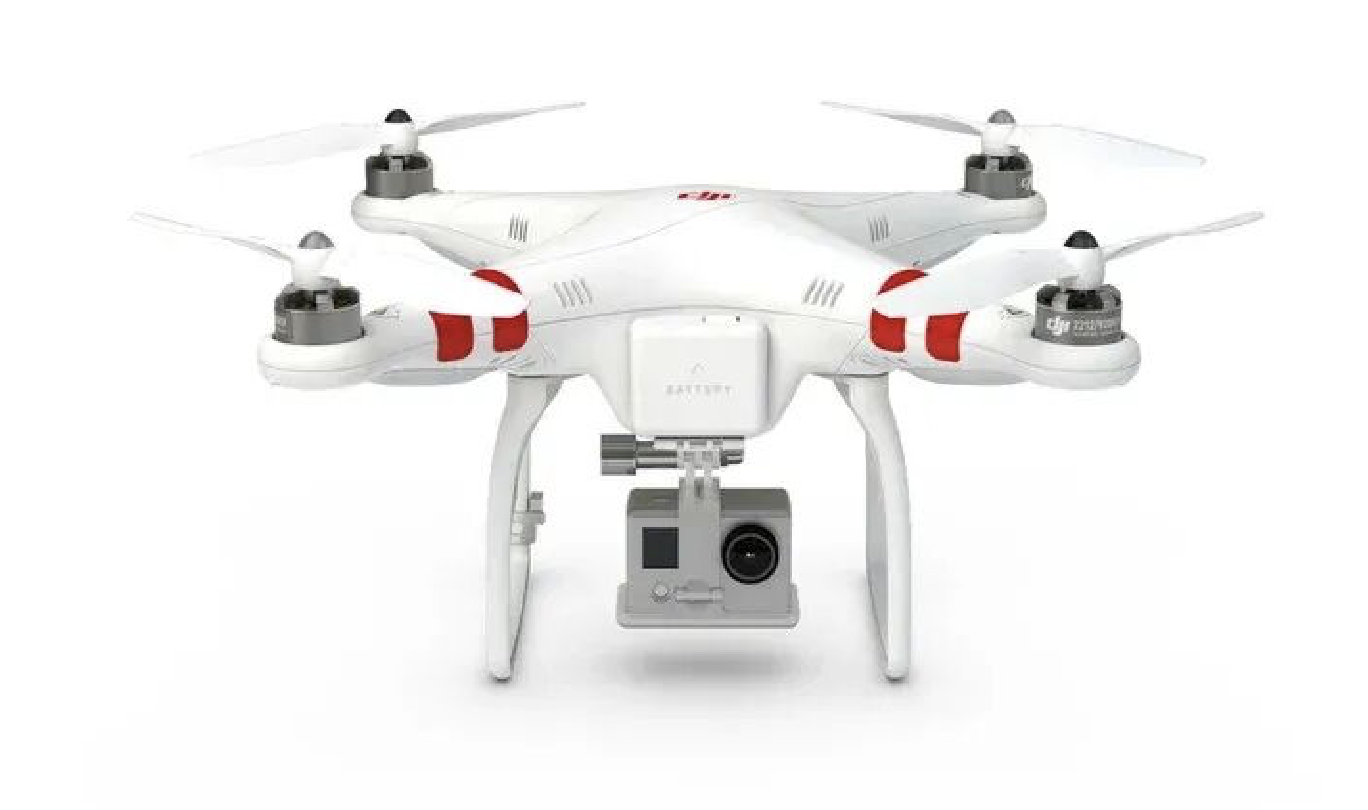
The market leader, DJI, exemplifies the trajectory from specialized tech to consumer goods. Originally a drone company, DJI pivoted to handheld imaging by detaching the gimbal camera from the aircraft. The launch of the original Osmo and subsequently the Pocket series in 2018 applied aerial stabilization technology to ground-level video, solving the "shaky footage" problem that smartphones struggled to address purely through software.
This evolution underscores the fluid nature of the current market, where drone technology, smartphone algorithms, and traditional optics are merging. As 2025 progresses, the line between phone accessories and standalone imaging devices will continue to blur, solidifying an alliance where distinct hardware relies on a shared digital ecosystem to survive.