
Xiaomi Unveils Variable Focal Length Camera System in 17 Ultra, Signaling Industry Shift
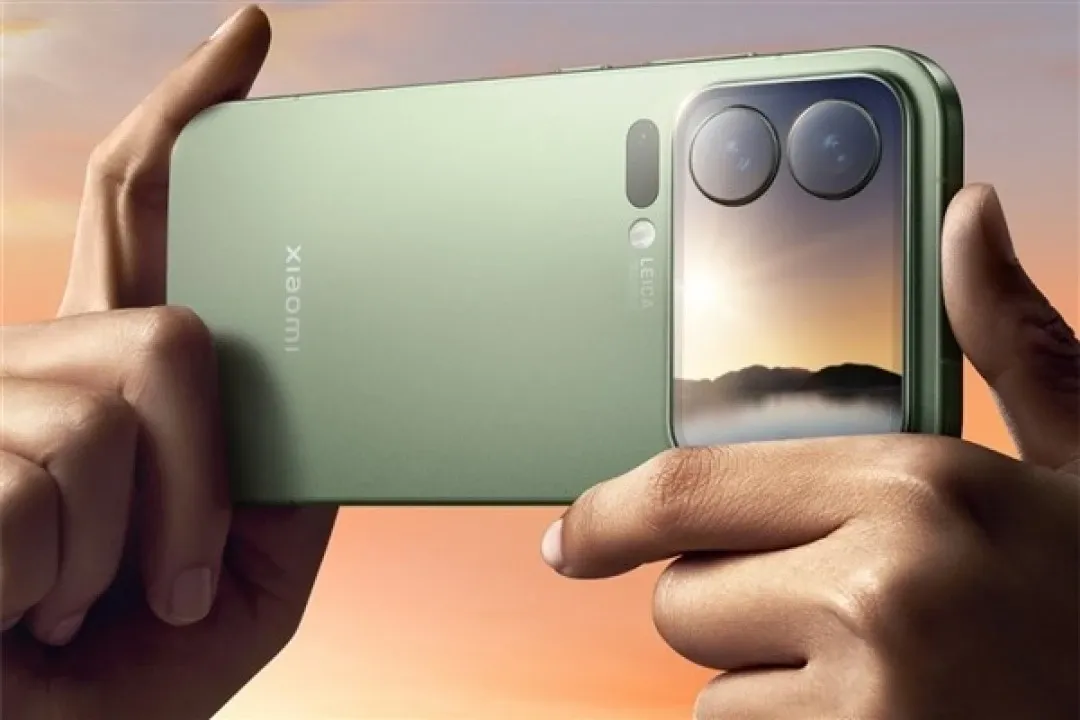
Xiaomi is preparing to launch its flagship 17 Ultra smartphone with a breakthrough variable focal length camera system, marking a potential turning point in mobile photography as manufacturers move beyond multi-lens setups toward integrated optical solutions. The technology enables continuous optical zoom across a 3x to 7x range, addressing a longstanding gap in image quality between traditional fixed focal lengths.
The device has officially received network access approval in China and is expected to debut before the end of 2025, according to industry sources. The camera module features a 200-megapixel periscope telephoto lens with Samsung's S5KHPE sensor, representing a departure from conventional multi-camera approaches that have dominated smartphone design.
The variable focal length system allows seamless zoom adjustment without the image degradation typically associated with digital cropping or lens switching. This capability fills the quality "blind spot" between 3x and 5x magnification that has plagued current multi-camera configurations.
The technology signals broader industry trends toward hardware-software integration, user-friendly professional features, and scene-specific optimization, potentially redefining the competitive landscape among Chinese flagship manufacturers.
Core Technology and Market Position
The variable focal length camera system represents a miniaturization of traditional optical zoom technology used in professional cameras. Unlike fixed focal length lenses that require multiple cameras to cover different magnification ranges, the system employs coordinated lens groups within a single module to continuously adjust focal length.
This approach offers three key advantages over current multi-camera solutions. First, it provides continuous focal length adjustment across the entire zoom range, eliminating the quality degradation that occurs when smartphones interpolate between fixed lenses. Second, it improves hardware efficiency by allowing a single variable lens to replace two or three fixed focal length modules, freeing space for larger batteries and improved thermal management. Third, it ensures color and image quality consistency across all focal lengths, as a single sensor eliminates the color shifts and resolution differences inherent in switching between multiple cameras.
The innovation builds on earlier attempts to achieve flexible zoom capabilities in mobile devices. Nokia's 2012 PureView 808 used super-sampling technology to simulate lossless zoom, while Xiaomi and OPPO previously experimented with liquid lens technology that adjusted focal length by changing liquid shape. Those efforts faced limitations in zoom range and image stability but validated market demand for more flexible magnification.
Three Industry Trends Emerge
The competing approaches from Chinese flagship manufacturers reveal three distinct trends reshaping mobile photography. First, hardware innovation is becoming deeply integrated with artificial intelligence algorithms and processing power, creating unified solutions where optical components work in concert with computational photography. Second, professional camera features are being simplified for mass-market users, enabling advanced results without technical expertise. Third, manufacturers are developing specialized optimizations for specific scenarios including portraiture, low-light conditions, sports, and astrophotography.
These trends reflect an industry transition from "imitating professional cameras" to establishing mobile photography as a distinct discipline with its own technical requirements and creative possibilities. Xiaomi's variable focal length system, Huawei's variable aperture, OPPO's floating prism, and vivo's dual-chip coordination each address different pain points while pursuing the common goal of making smartphone photography both more professional and more accessible.
The competitive dynamics favor consumers, who gain access to professional-grade imaging capabilities without purchasing expensive dedicated cameras. This democratization of photography technology enables broader creative expression while driving continued innovation across the sector.
Implementation and Market Impact
Xiaomi's system covers a focal length range equivalent to 70-160mm in traditional camera terms, addressing the most commonly used mid-telephoto range for portrait and detail photography. The company's engineers have gained additional internal space by consolidating multiple camera modules, potentially allowing for larger primary sensors and enhanced image processing chips in future iterations.
The technology's scalability presents longer-term opportunities. Future developments could extend continuous optical zoom from 1x to 10x or beyond, while artificial intelligence algorithms could automatically select optimal focal lengths based on scene recognition. Integration with super-resolution techniques and computational photography could further enhance image quality across all magnification levels.
Industry observers note the variable focal length approach could shift competitive focus from quantity of lenses to performance optimization of individual modules. This transition from "stacking camera counts" to "solving actual problems" represents a maturation of the smartphone imaging sector, with manufacturers prioritizing user needs over specification sheet metrics.
The variable lens technology's commercial viability will depend on manufacturing costs, mechanical reliability, and consumer adoption of devices priced at premium levels. However, the approach aligns with broader industry efforts to differentiate flagship products through substantive technological innovation rather than incremental improvements to existing multi-camera architectures.