
DJI's Robot Vacuum Debut Stumbles as Premium Pricing Meets Performance Gaps
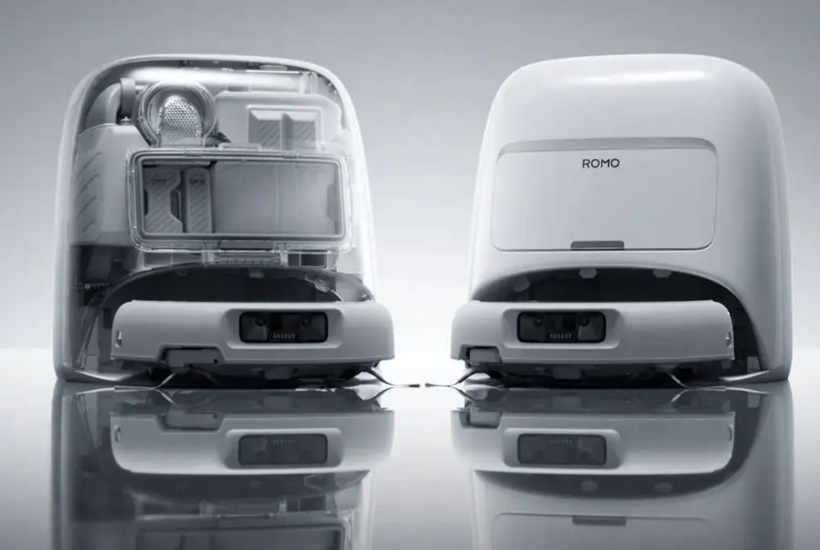
Drone giant DJI Technology faces mounting criticism over its first foray into home appliances, with the ROMO robot vacuum encountering widespread performance and quality issues just one month after its August launch. Despite premium hardware specifications and pricing that significantly exceeds established competitors, the product has drawn complaints about basic functionality failures, exposing the challenges tech companies face when expanding beyond their core expertise.
The Shenzhen-based company's ambitious crossover attempt has been undermined by algorithm deficiencies that prevent the vacuum from effectively utilizing its advanced sensors. Consumer complaints on social media and e-commerce platforms highlight problems ranging from collision issues to poor cleaning performance, raising questions about DJI's ability to adapt its drone technology to household applications.
The setbacks come as DJI seeks to diversify its revenue streams amid intensifying regulatory pressures in key markets. The company's struggles with the ROMO series underscore the difficulties even established tech leaders face when entering mature, competitive sectors dominated by specialized players like Roborock Technology and Ecovacs Robotics.
Market observers note that the performance gaps could damage DJI's reputation for innovation and quality, potentially affecting investor confidence in the privately-held company's expansion strategy beyond its dominant position in consumer drones.
Hardware Advantages Undermined by Software Flaws
The ROMO series features dual fisheye visual sensors and LiDAR technology, positioning it as a premium offering in the crowded robot vacuum market. However, algorithm failures have rendered these sophisticated components ineffective in real-world scenarios, with users reporting basic navigation problems that contradict the product's intelligent cleaning claims.
Consumer feedback reveals systematic issues with obstacle recognition, particularly involving glass surfaces and furniture. Users documented instances where the vacuum crashes directly into floor-to-ceiling windows due to algorithm errors, with DJI customer service acknowledging the glass recognition defect. Additional complaints include collisions with table legs and excessive sensitivity to carpets, creating inconsistent navigation behavior.
The voice control system has also underperformed expectations, with users reporting inability to execute basic commands such as directing the unit away from its charging station. These smart interaction failures place the ROMO behind established competitors despite its premium positioning and advanced sensor array.
Cleaning Performance Falls Short of Premium Claims
Core functionality problems extend beyond navigation to the vacuum's primary cleaning mission. Users of the ROMO S standard edition with automatic water supply report that the "sweep-and-mop" feature spreads dirt rather than removing it, as wet brushes collect moisture and redistribute debris across floors.
DJI's customer service recommendation to separate sweeping and mopping operations essentially negates the product's key differentiating feature, reducing it to basic functionality available in lower-priced alternatives. Even when following this workaround, users report that dirty brushes continue to contaminate mopping pads, compromising overall cleaning effectiveness.
Quality control issues have emerged across the product line, with reports of water leakage from charging stations damaging wooden floors and frequent failures of the dust collection system. The lack of automatic hair-cutting mechanisms has created maintenance burdens, with hair tangling around mechanical components requiring manual intervention.
Premium Pricing Strategy Faces Market Resistance
The ROMO P flagship series commands approximately RMB 6,204 yuan (US$861) after discounts on major e−commerce platforms, compared to 3,978 yuan for Roborock's comparable P20 Ultra Plus model. This 2,200 yuan (US$305) premium represents a 55% price increase that users argue cannot be justified by performance advantages.
Consumer criticism focuses on paying flagship prices for substandard experiences, with many questioning the value proposition of DJI's transparent housing design given its functional limitations. The pricing strategy appears disconnected from market realities, where established brands offer superior performance at significantly lower costs.
The price differential has become a focal point for negative reviews, with users suggesting that the premium could purchase additional cleaning appliances rather than marginal aesthetic improvements. This pricing resistance indicates potential challenges for DJI's broader home appliance ambitions.
Market Adaptation Challenges Highlight Sector Complexities
DJI's difficulties reflect the challenges technology companies face when entering established consumer markets with different competitive dynamics and user expectations. The robot vacuum sector has evolved beyond hardware specifications toward integrated experiences combining cleaning algorithms, scene adaptation, and comprehensive after-sales support.
Established players like Roborock and Ecovacs have developed specialized expertise through years of market focus, creating formidable barriers for newcomers despite technological capabilities in adjacent fields. Consumer expectations in the home appliance sector prioritize reliability and practical performance over cutting-edge sensors, requiring different product development approaches than DJI's drone-focused methodology.
The company's after-sales service infrastructure has proven inadequate for home appliance demands, with users reporting delayed responses and limited technical solutions. This service gap, combined with premium pricing and performance issues, threatens to undermine DJI's brand reputation as it seeks growth opportunities beyond its core drone business amid increasing market pressures.