
Fourier Unveils Cost-Disruptive Force Sensor to Accelerate Humanoid Robot Commercialization
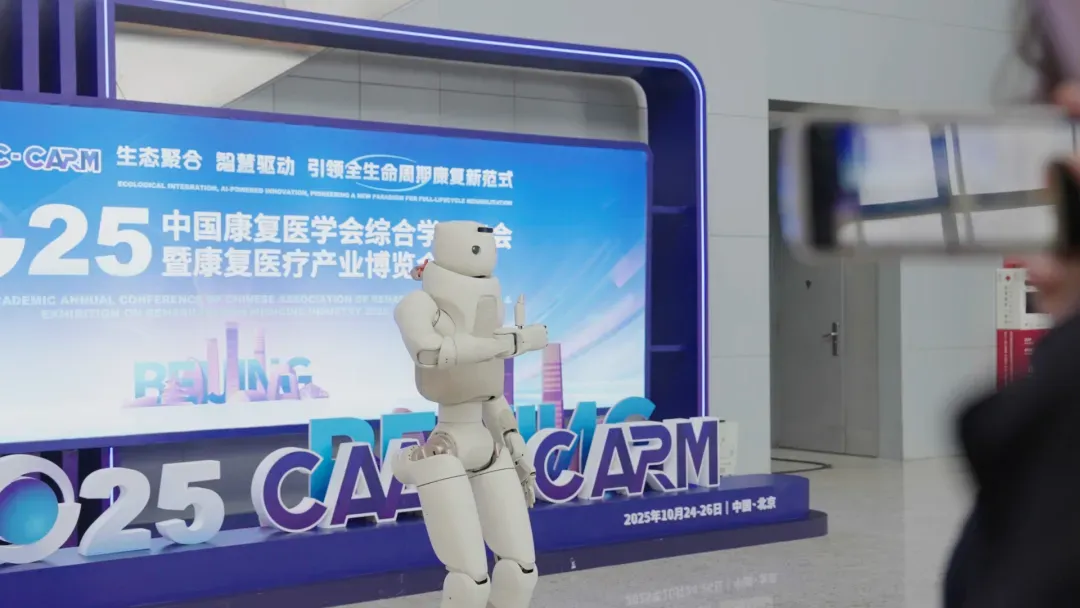
Fourier, a leading Chinese intelligent robotics company, has unveiled a proprietary six-dimensional force sensor designed specifically for humanoid robots, a strategic move aimed at resolving critical cost bottlenecks and accelerating the industry’s transition from conceptual validation to mass commercialization.
The Shanghai-based manufacturer announced on December 22 that the new sensor achieves a production cost of under RMB 5,000 yuan (US$694), a drastic reduction compared to existing market solutions which typically range between RMB 10,000 and RMB 100,000. By significantly undercutting current pricing structures, Fourier aims to disrupt the supply chain for core components and address the financial hurdles that have historically constrained the deployment of high-performance humanoid robots.
This development coincides with a pivotal shift in the sector as robots move from exhibition stages to industrial applications. According to the 2025 China Humanoid Robot Six-Dimensional Force Sensor Market Analysis Report released by the GGII, shipments of these sensors in China are projected to surge 510.1% year-on-year to reach 12,300 units in 2025, driven by increasing demands for complex operational capabilities.
By internalizing the development of this key component, Fourier is positioning itself to control performance consistency and supply stability. The company confirmed that the new sensor supports fully automated calibration and mass production, technical milestones required to support the rapidly expanding scale of the humanoid robot market.
Breaking the Cost Dilemma
The high cost of core components remains a primary constraint for the humanoid robot industry. Currently, six-dimensional force sensors—critical for precise movement and interaction—are expensive, limiting their inclusion in mass-market models. Fourier’s entry into this segment with a "thousands-of-yuan level" product represents a significant downward shift in pricing, potentially redefining the cost structure for robot manufacturers.
Fourier stated that the sensor achieves high performance consistency and supports batch manufacturing, addressing common industry complaints regarding the long delivery cycles and performance fluctuations associated with custom-made parts. Market analysts suggest that this move will not only lower barriers to entry for robot production but also force a broader pricing correction in the component market, facilitating faster industrialization.
Critical Perception Capabilities
Unlike industrial robots that rely on preset programming, humanoid robots require real-time decision-making capabilities based on fine-grained perception to execute complex tasks. While visual perception has been a focus, industry consensus is shifting toward the necessity of multi-dimensional force sensing for "active interaction" in unstructured environments.
The six-dimensional force sensor is considered the most complete form of force sensing technology. It measures force and torque across all axes, effectively correcting coupling interference and significantly improving control precision, dynamic response speed, and overload resistance. These capabilities are essential for high-performance end-effectors, such as dexterous hands and wrist joints, allowing robots to perform delicate tasks like assembly or handling fragile items. Mainstream humanoid robots typically require two to four of these sensors to ensure operational stability.
Surging Market Demand
The market for these sensors is currently in an acceleration phase. The GGII report forecasts exponential growth, implementing that by 2030, shipments will increase approximately 40-fold from current levels to exceed 460,000 units.
Long-term projections are even more optimistic. As humanoid robots penetrate the consumer (To C) market, the market scale for six-dimensional force sensors is expected to exceed RMB 10 billion by 2035. However, the market has lacked standardized products specifically tailored for the structural requirements of humanoid robots, a gap Fourier intends to fill with this release.
Strategic Vertical Integration
Fourier’s development of the sensor highlights a trend of vertical integration among leading robot manufacturers, similar to strategies employed by global players like Tesla Inc. to secure supply chains and optimize performance. Rather than acting solely as a component supplier, Fourier is leveraging this technology to enhance its own systemic capabilities.
The company has previously emphasized "active interaction" in its product development, notably in its GR-3 humanoid robot, which utilizes distributed tactile sensing. However, deeper interaction scenarios—such as assisted walking in elderly care or precision industrial tasks—require the advanced force control provided by six-dimensional sensors.
Analysts note that Fourier’s background in rehabilitation robotics provides it with accumulated experience in force sensing technology and human-machine collaboration. By mastering the definition and integration of these critical perception modules, the company aims to overcome current technical bottlenecks in "perception-control" synergy, potentially gaining a competitive edge in product differentiation and functional utility.